


Wyoming is one of the few states without a state income tax, and its capital, Cheyenne, is located near F.E. Warren Air Force Base, which helps maintain stable rental demand from military families. Because the population is not very large, the price differences between neighborhoods are relatively narrow compared to other major cities.
The Old Town historic district is the oldest residential area in Cheyenne, with median prices ranging from $280,000 to $330,000. Recent trends show a gradual increase, particularly in remodeled properties.
South Cheyenne is a relatively affordable area, with prices ranging from $230,000 to $270,000. It has maintained a stable trend over the past year.
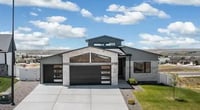
In contrast, the new development areas in North Cheyenne have higher price ranges of $350,000 to $420,000, making them relatively expensive within Cheyenne. A steady supply of new single-family homes has been observed, leading to a gradual upward trend.
From an investment perspective, areas near Warren Air Force Base and South Cheyenne are often mentioned together. The consistent rental demand from military families means that vacancy risks are relatively low, and South Cheyenne's lower entry prices help reduce initial investment burdens.
In terms of rental yield, Cheyenne tends to show relatively high net yields due to Wyoming's low property tax burden. Total returns are estimated to be around 6 percent, but variations may occur depending on the management condition of individual properties and vacancy periods.
Risk factors include the local economy's significant dependence on the military base and state government employment, which limits population growth, and the small population size itself may restrict the pool of buyers when selling.
For Korean families, Cheyenne may be considered as a retirement destination or a small investment opportunity due to its low tax burden and relatively affordable cost of living. However, it is advisable to also consider that the size of the Korean community and living infrastructure are limited compared to larger cities.
 LegoJellyMon
 bluevalleytraveler1901




 garlic bread |

 urbanmint |
 |
| 
 Premium Gas Camp |
 nixxon |
 Real Estate |
 logger |
 novapixel |
  mortrix |
  ollege Mom |
  Esther 1983 |
  Arizona AZ Cowboy |
  fortbliss |
  Moscow Kim |
  My Two Way |
  toastyfox |
  FLORIDA Acus |
  tracker |
  TONTON COFFEE |
  sunrise |
  ultron78 |
  uplifted |
  Folding Instructions |
  same same life |
  USA Hyundai Kia |
  morvex37 |
  BOL SA RAM |