

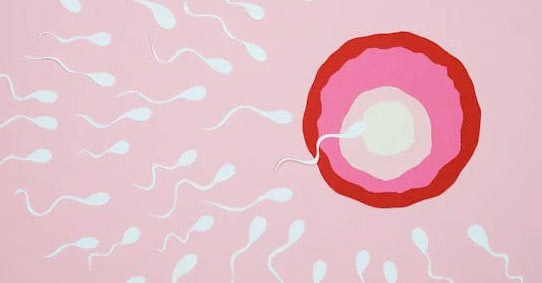
"Why is it so hard to have kids these days?"
When I look at my friends, discussions about IVF and infertility clinics are quite common. According to the World Health Organization (WHO), 1 in 6 adults worldwide experiences infertility at least once in their lifetime.
I have summarized ten representative reasons why modern society's lifestyle patterns and environment make it difficult to conceive.
-
Delayed Age of First Pregnancy
As the time invested in education and career preparation increases, the age of first childbirth has been steadily pushed back. Women experience a rapid decline in egg quantity and quality after age 35, and men also see an increase in sperm DNA damage starting in their 40s, making conception take longer. -
Chronic Stress & Lack of Sleep
With work, economic, and relationship stress, along with late-night smartphone use leading to shorter sleep times, the pituitary gland fails to properly secrete hormones necessary for ovulation and sperm production. Stress itself decreases libido, creating a vicious cycle that reduces attempts to conceive. -
Weight Imbalance such as Obesity and Underweight
Whether having too much or too little body fat disrupts the balance of estrogen and testosterone, making ovulation and sperm formation difficult. A CDC study in the U.S. also found that infertility rates were significantly higher in groups with body fat indices outside the normal range. -
Unbalanced Diet and Nutritional Deficiencies
A diet focused on fast food and processed foods lacks antioxidant nutrients (such as folic acid, zinc, selenium), making reproductive cells susceptible to oxidative stress. Conversely, excessive dieting can also block the supply of fatty acids essential for hormone production. -
Smoking, Alcohol, and Drugs
Cigarettes damage egg and sperm DNA, while alcohol can cause ovulation disorders and reduced testicular function. Regular use of drugs like marijuana and steroids further decreases the chances of successful conception. -
Hidden Sexually Transmitted Infections (STIs)
If chlamydia and gonorrhea are left untreated and asymptomatic, they can lead to blocked fallopian tubes and pelvic inflammatory disease, making natural conception difficult. Many cases are discovered late with the excuse of "I didn't know" due to lack of regular check-ups. -
Exposure to Endocrine Disruptors & Industrial Chemicals
Endocrine-disrupting substances such as plasticizers (BPA, phthalates), pesticides, and heavy metals interfere with the development of eggs and sperm and disrupt hormone receptors. Experimental and epidemiological studies have shown that groups with high exposure to these substances have a higher risk of infertility. -
Chronic Diseases and Medication Treatment
Conditions like polycystic ovary syndrome (PCOS), endometriosis, and underlying diseases such as thyroid issues, diabetes, and hypertension negatively affect the environment for ovulation and implantation. Medications for treatment (such as antidepressants and antihypertensives) can also impact reproductive hormones. -
Declining Male Fertility Trends
Meta-analyses have shown that male sperm counts worldwide have decreased by about half over the past 40 years. Factors such as sedentary lifestyles, heat from smartphones and laptops, smoking, drinking, and environmental toxins are believed to act in combination. -
Cost and Time Burden, 'Infertility Stress'
One IVF procedure can cost millions of won, and the economic and emotional pressure itself acts as another source of stress, destabilizing the hormonal system. Research indicates that accumulating experiences of failed procedures can further decrease the likelihood of pregnancy due to depression and anxiety.
Small Actions Can Make a Big Difference
-
Get annual check-ups at gynecology and urology to detect hidden diseases early.
-
Maintain a BMI of 18.5–24.9 with aerobic and strength training exercises at least three times a week for over 30 minutes.
-
Avoid heating electronic devices and plastic containers, and use BPA-free products.
-
Declare to quit smoking and drinking, and aim for over 7 hours of sleep.
-
While the optimal age for the first pregnancy is before 35, if reality does not allow it, check your ovulation cycle and consult with a specialist promptly.
The saying, "A healthy body is the best preparation for parenting," still holds true today.
May your small routines bring you miraculous news of pregnancy!




 El Dorado |
 lightyear |
 Moscow Kim |
 coloradoman |
 Montgomery Mom |
 Lululala |
 Gook Rule |
 Georgia 88 |
 Dragon Lee |
 Blondee |
  DREAM BIG |
  frostbite |
  330 Forever My Love |
  dralix58 |
  Gorama Round |
  Skydiving |
  dreamport |
  Yellow Snowman |
  Toaster Pizza Magic Show |
  velvetnom |
  Anytime Journey |
  Mrs. Duluth |
  jaxter |
  Atlanta Mama |
  Baguette Blog |
  Tan Sol |
  US Embassy |
  Korean Mom |
  My NYC |