
Today, I would like to learn about Oklahoma, located in the U.S. Midwest. The name of the state comes from the Choctaw word meaning "red people" (oklahumma, [oklahómma]), and the nickname is The Sooner State. This nickname originated because, to European settlers, the land appeared to be unclaimed, allowing those who arrived first (Sooners) to claim land as soon as the boundary was drawn.
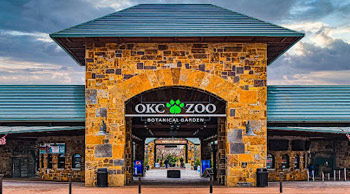
Oklahoma covers an area of about 181,037 square kilometers, with 78% of the land being agricultural and many oil fields distributed throughout the region. The population is about 4 million, with major cities including Oklahoma City, Tulsa, and Norman. Oklahoma City is the state capital and serves as the center of politics and economy.
The history of Oklahoma is deeply connected to Native American culture and the westward expansion era. This area is home to the "Five Civilized Tribes" known as the Cherokee, Choctaw, Chickasaw, Creek, and Seminole, and became an important historical site due to forced relocation policies in the early 19th century. In 1907, Oklahoma became the 46th state to join the United States and subsequently grew economically, centered around the oil industry.
The eastern region of the state is a vast oil field with existing oil and natural gas reserves, as well as shale gas. Due to its high dependence on the oil resource industry, Oklahoma is diversifying into other industries to reduce this reliance, and it continues to attract industries such as aircraft maintenance. Cushing, located next to Tulsa, is famous as an oil production site and a hub for significant oil pipelines and storage. Although it is a conservative state, it surprisingly has a vibrant casino business. The WinStar Casino and Choctaw Casino, located north of Texas, are well-known and cater to local tourists.
Oklahoma is also well-known for its natural beauty. The Wichita Mountains Wildlife Refuge is a top destination for hiking and wildlife observation. Turner Falls near Tulsa and Beavers Bend State Park are perfect spots for camping and fishing. Additionally, the state offers many prairies and lakes, providing an ideal environment for outdoor activities.
Oklahoma has a continental climate, with hot summers and mild winters, and precipitation is relatively evenly distributed. In winter, it is warmer compared to the Midwest or East, but temperatures can suddenly drop below -10°C, leading to significant climate variability and record temperature differences. Although it does not snow often, it does occur once or twice a year.
Occasionally, severe thunderstorms accompanied by heavy snow, which are typical in the Great Lakes region, can occur, or snow may fall unexpectedly in April. Additionally, every few years, an Ice Storm can bring prolonged freezing rain, paralyzing entire neighborhoods. When it comes to weather, Oklahoma offers one of the most dynamic spectrums in the United States.
In terms of food, a unique blend of Southern and Western cuisine offers distinctive flavors. Be sure to try traditional dishes like chicken-fried steak, barbecue, and Indian tacos. In addition, modern restaurants in Tulsa and Oklahoma City serve dishes made with locally sourced fresh ingredients.
Culturally, Oklahoma is a state where history and art intertwine. The Oklahoma City National Memorial and the Gilcrease Museum in Tulsa are places where you can deeply learn about the region's history and culture. Furthermore, Oklahoma is a center for country music and Western culture, allowing you to experience unique Western culture through traditional events like rodeos.
About 2,000 Koreans live in Oklahoma, mainly around Tulsa.
Oklahoma is a place filled with vast nature, rich history, and warm communities. Come visit Oklahoma now. It is ready to offer you unforgettable memories and special experiences. See you in the next post!



 daisypat |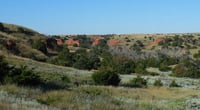
 Chimhanbang Korea ACU |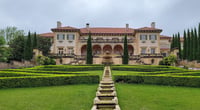
 Trustworthy Faces |
 Finding Superfoods |
  lightyear |
  song bang |
  vexomo |
  Indiana Jones |
  meloncat |
  novapixel |
  mortrix |
  Esther 1983 |
  fortbliss |
  Moscow Kim |
  My Two Way |
  toastyfox |
  FLORIDA Acus |
  tracker |
  TONTON COFFEE |
  sunrise |
  ultron78 |
  uplifted |
  Folding Instructions |