

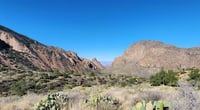
Currently, Southern California is in the winter rainy season, but it has already begun to show signs of drought.
In Los Angeles, only 0.13 inches of rain has fallen since May 5, significantly below the average of 4.5 inches, and National Weather Service meteorologist Ryan Kittel stated, "This winter is likely to be among the ten driest on record."
According to the U.S. Drought Monitor map, most of Southern California, including Los Angeles, San Bernardino, Riverside, Orange, and San Diego counties, is experiencing drought conditions.
A new report stated, "Due to below-average precipitation, Arizona, California, and Nevada are experiencing a drier winter season than usual." Additionally, issues related to climate change and water resource management are exacerbating the drought.
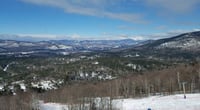
As of January 5, ski resorts near Los Angeles have recorded less than 1 inch of snowfall this season. Typically, ski resorts welcome tourists with over 20 inches of snow during the winter ski season, but this season has seen significantly lower snowfall due to the combined effects of climate change and La Niña. As the ski season reaches its midpoint, there are concerns that the Big Bear area ski resorts will struggle to attract ski fans, impacting the local economy.
The weather service forecasts a low likelihood of storms bringing sufficient rain to California in the coming weeks. This raises the risk of wildfires and could further exacerbate water shortages in Southern California.
What is La Niña?
La Niña is a phenomenon characterized by lower-than-average sea surface temperatures in the eastern tropical Pacific, opposite to El Niño. This phenomenon is primarily caused by the strengthening of trade winds and can last for several months. La Niña leads to various climate fluctuations worldwide, significantly affecting North America, Asia, Australia, South America, and Africa.
The weather service predicts that if La Niña persists, there will be a significant decrease in precipitation in the western region of California, along with an increased risk of wildfires. Southern California is also likely to experience worsening drought conditions, requiring attention from local residents and authorities.
La Niña can cause dry weather in the western United States while bringing colder winters and heavy snowfall to the Midwest and East. In Asia and Australia, the risk of flooding in Southeast Asia increases, while Australia faces ongoing drought and heightened wildfire risks. Peru and Ecuador in South America may experience negative impacts on fisheries and marine ecosystems, and Eastern and Southern Africa will face risks of flooding and drought, respectively.





 Weekend Movie Blog |
 Beauty, Health, Lifestyle Blog |

 coloradoman |
 Superman Cat Blog |
 Blogging with a Heart Like the Sun |
  yentra |
  Make My Day |
  Victory 1988 |
  Tonky |
  viroma |
  cookie |
  Live and that's it |
  Alright Twain |
  eatontown blog |
  HAWAII Korean Church News |
  Amore |
  linex |
  Balancework |
  laro90 |
  MEDBIO American Doctor Blog |
  SWAT TEAM BLK |
  DREAM BIG |
  frostbite |
  330 Forever My Love |
  El Dorado |