
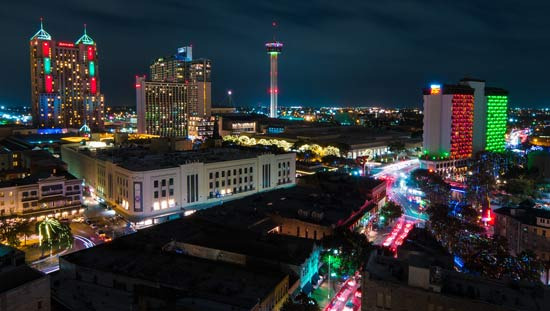
People are flocking to San Antonio.
It is one of the fastest-growing cities in Texas, attracting a diverse range of people, from those relocating for jobs, to investors buying real estate, to families settling down because it is a good place to raise children. In the northern areas like Stone Oak, Shavano Park, and Alamo Ranch, new homes are continuously being built, and in the northwest, the sound of apartment construction is constant. While an increasing population can be a positive aspect, it also brings challenges that need to be addressed. The three most pressing issues are water, homes, and roads.
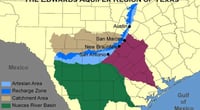
First, water is a lifeline. One reason San Antonio has grown without major issues so far is the vast water source underground, such as the Edwards Aquifer. However, with a rapidly growing population, relying solely on the existing aquifer is concerning. Rain is needed to replenish the water supply, but the climate is unpredictable, and as development increases, the land is covered in concrete, reducing the space for water to seep in.
If the recharge zone is blocked, the rate of groundwater consumption could exceed the rate of replenishment. Ultimately, to maintain a stable water supply, long-term strategies such as groundwater conservation, securing alternative water sources, and expanding storage systems are necessary. If water becomes scarce, growth will halt, and the cost of living will rise quickly.
The second issue is housing. Looking at the surrounding neighborhoods, new developments are popping up almost daily. In the past, it was possible to find decent homes for $300,000 to $400,000, but now that price range seems to be pushed further out.
As demand continues to rise but supply cannot keep up, it is natural for home prices and rents to increase. People wanting to live close to work, parents considering their children's education, and young couples who have recently moved are all competing in the same market, which inevitably narrows their options. Therefore, expanding housing supply and balanced development are crucial.
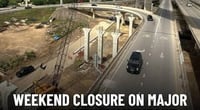
Lastly, there are the roads. Anyone who has driven on 1604, I-10, or 281 during rush hour can feel it. There are too many cars. Roads that were once spacious have become congested, with speeds often dropping below 30 miles per hour on weekday mornings. This is why highway expansion projects are ongoing.
As the city grows, roads need to widen or alternative transportation networks need to be established, but currently, it feels like the influx of population is outpacing the rate of expansion in San Antonio. Increased traffic in the northern areas is also worsening congestion around weekend shopping malls. With limited public transportation options, the city has a high dependence on cars, making road improvements almost a necessity.
Ultimately, the future of San Antonio depends on how well these three issues are addressed. If water is supplied reliably, homes are sufficiently available, and roads are not congested, then population growth can become an opportunity. Conversely, if any one of these issues is not resolved, the quality of life may decline, and the pace of growth could slow.
I believe San Antonio has significant potential as a city. Its industrial base is diverse, including military, healthcare, manufacturing, and IT, and the cost of living is still reasonable compared to other cities. What is needed for this trend to continue is balance. It is essential to conserve water, plan housing growth strategically, and either expand roads or prepare alternative modes of transportation.
Indeed, the increase in San Antonio's population seems less like a problem and more like homework that needs to be prepared. The growth of the city ultimately presents an opportunity for a richer life.




 Helpful Life Stories |
 American Man in a Mask |
 Hajiwon Blog Hair Salon |
 Make My Day |
  TEXAS Fishing Boat |
  US Embassy |
  Korean Mom |
  My NYC |
  moo moo |
  Mr Oh |
  forevergee |
  festival |
  manchester |
  constant |
  Leapfrog Move |
  vibranto |
  Tora Tora |
  yellowbutter |
  Dolly |
  NYC saladbar |
  Finding Superfoods |
  lightyear |
  song bang |
  vexomo |
  Indiana Jones |