

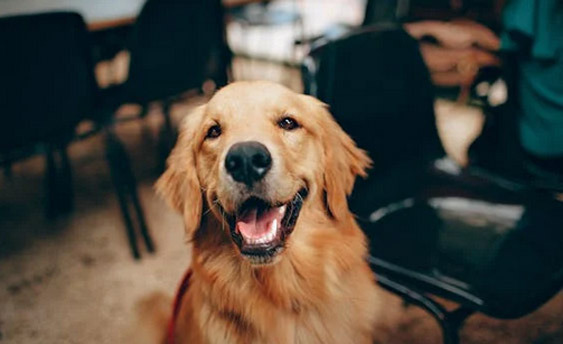
When talking about pets, the phrase "dogs with severe separation anxiety" is often heard.
However, upon closer inspection, there are dogs without separation anxiety, and conversely, cats often interact with people in a completely different way, which can be confusing.
First, dogs with severe separation anxiety have very distinct characteristics. From the moment their owner leaves the house, they may whine or guard the door, and while alone, they might bark, engage in destructive behavior, or have accidents. This happens because dogs are naturally pack animals and have a strong tendency to feel secure when they are with someone.
Especially if their attachment to their owner is deep, the instinctual anxiety of "the pack has left" increases, making being left alone a significant source of stress. So, while it may seem that a dog is particularly clingy, this is often more of an instinctual trait rather than a result of being overly loved.
On the other hand, there are definitely dogs with almost no separation anxiety. These dogs enjoy human company but maintain a reasonable distance and can spend time alone relatively comfortably.
Even when their owner leaves, they might think, "Oh, they must have gone out again," and continue with their routine without issue. These dogs are often temperamentally independent or have grown up naturally experiencing time alone from a young age, resulting in less anxiety. Simply put, they are more accustomed to being "environment-centered" rather than "pack-centered." While separation anxiety can be alleviated through training and environmental adjustments, the differences in temperament are quite pronounced.
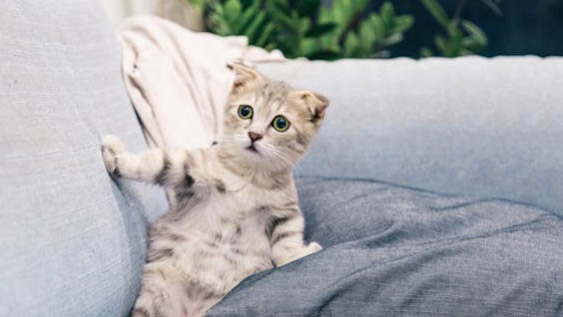
Now, when we move on to cats, the story changes significantly. Cats are generally known to be independent, but in reality, they are quite different from dogs, making simple comparisons a bit challenging. Cats can also experience separation anxiety.
Some may cry when their owner leaves, wait by the door, excessively groom themselves, or have accidents while alone. However, a cat's separation anxiety often stems not from the instinct of "the pack has left" like in dogs, but rather from the anxiety of "the environment and person I depend on have changed." In other words, their reactions occur when their emotional stability is disrupted.
That said, not all cats are closely associated with separation anxiety. The majority of cats tend to spend their alone time well, continuing their routines of napping, watching outside, or playing with toys until their owner returns home. This has led to the image of cats being much more "accustomed to being alone" than dogs.
However, being independent does not mean they express emotions less. When cats feel love, they may follow their owner around, sit by their feet, want to sleep next to them at night, and when their owner goes on a trip, they might act indifferent for a few days or suddenly become very affectionate. The way they express this, however, is often less clear and less pronounced than in dogs, leading to misunderstandings.
In summary, dogs are social animals, and as their attachment to humans deepens, they can easily develop separation anxiety, with reactions varying greatly depending on individual temperament.
Some dogs are fine being briefly separated from their owner, while others show anxiety quickly. Cats are generally more independent, but even within them, sensitive individuals can exhibit separation anxiety. However, a cat's anxiety tends to manifest in quieter and more subtle ways than in dogs.







 Khan Film Blog Production |
 dermoon |
 hoosierdaddy |
 sun walker |
 Let's Be Like a Salt-like City Person |
 |
| 
 U.S. Weather Bureau News |
 Living with a Consistent Heart |
 quanta7 |
 Dallas Fort Worth DFW |
  Korean Mom |
  My NYC |
  moo moo |
  Mr Oh |
  forevergee |
  festival |
  manchester |
  constant |
  Leapfrog Move |
  vibranto |
  Tora Tora |
  yellowbutter |
  Dolly |
  US Embassy |
  NYC saladbar |
  Finding Superfoods |
  lightyear |
  song bang |
  vexomo |
  Indiana Jones |