
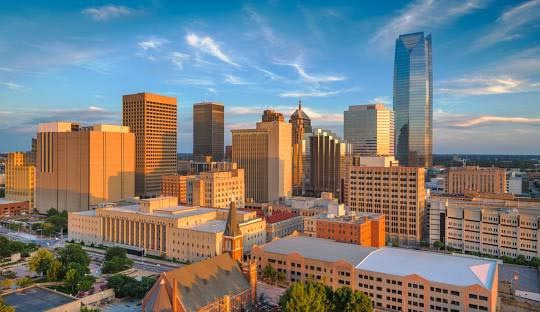
Oklahoma City is the capital and largest city of the state of Oklahoma, with a rich history and diverse cultural background.
This guide will explore the major historical events and developments of Oklahoma City from its founding to the present day.
1. Founding and Early History
Background of Establishment (Late 19th Century):
- Louisiana-Orange Railroad: In 1889, the Louisiana-Orange Railroad began constructing a railway in western Oklahoma, marking the start of Oklahoma City's establishment. The railroad served as a key driver of regional economic development.
- Official Establishment (1889): Oklahoma City was officially established on April 22, 1889, and by November of the same year, it took on the role of the capital for the northwestern region.
Early Development:
- Gold Rush Boom: In the early 1890s, the discovery of gold led to rapid population growth and economic expansion. This resulted in a swift expansion of the city's infrastructure.
- State Government Relocation: In 1910, the state government moved from Tulsa to Oklahoma City, further highlighting the city's importance.
2. Growth and Change in the Early 20th Century
Industrial Development:
- Oil Industry: From the early 1900s, the oil industry rapidly grew, establishing Oklahoma City as a major oil-producing center in the U.S. The oil boom invigorated the city's economy.
- Manufacturing and Service Industries: In addition to oil, manufacturing and service industries developed, leading to economic diversification.
Population Growth:
- Immigration and Influx: With the growth of the oil industry, people of various races and nationalities migrated to Oklahoma City, resulting in a sharp increase in the city's population.
- Housing Development: As the population grew, housing development became active, leading to the formation of diverse residential areas.
3. The Great Depression and World War II (1930-1945)
Impact of the Great Depression:
- Economic Hardship: The Great Depression of the 1930s severely impacted Oklahoma City, but thanks to the stability of the oil industry, the effects were relatively less severe than in other regions.
- New Deal Programs: The government's New Deal programs contributed to urban development and infrastructure improvements.
World War II:
- Military Bases and Production: During the war, Oklahoma City served as a center for military bases and war production, contributing to economic recovery and industrial development.
- Population Changes: In the later stages of the war, changes in the population structure occurred with the return of soldiers.
4. Post-War Growth and Modernization (1945-1990)
Economic Diversification:
- Expansion of the Energy Industry: The oil and gas industries continued to grow, solidifying the economic foundation of the city.
- Technology and Service Industries: In addition to manufacturing, technology, finance, and healthcare service industries developed, leading to economic diversification.
Urban Infrastructure Development:
- Highway Construction: From the 1950s, with the expansion of the U.S. highway system, Oklahoma City was connected to major highways, enhancing its transportation infrastructure.
- Buildings and Public Facilities: Various public facilities, including high-rise buildings, public libraries, and museums, were constructed.
Cultural and Educational Development:
- University of Oklahoma: The development of educational institutions led to active research and academic activities.
- Cultural Events: Various cultural events and festivals were held, increasing the city's cultural diversity.
5. 21st Century: Modern Oklahoma City
Economic Recovery and Innovation:
- Overcoming the Financial Crisis: After the global financial crisis of 2008, Oklahoma City achieved economic recovery and is pursuing sustainable growth through new industries and technological innovations.
- Startups and Technology Industry: In recent years, the increase of IT and startup companies has invigorated the city's economy.
Urban Redevelopment and Infrastructure Improvement:
- Regenis Road Project: Urban redevelopment projects are modernizing the central business district (CBD).
- Parks and Green Spaces: The expansion of parks and green spaces within the city contributes to the improvement of residents' quality of life.
Social Change and Diversity:
- Population Diversity: A coexistence of various races and cultures has formed an inclusive and multicultural society.
- Education and Welfare: The expansion and improvement of education and welfare services have raised the welfare level of citizens.
Environment and Sustainability:
- Eco-Friendly Policies: Oklahoma City is promoting eco-friendly policies and renewable energy projects for sustainable urban development.
- Transportation Improvements: Efforts continue to address traffic congestion and environmental issues through the expansion of public transportation and the introduction of eco-friendly transport options.
6. Major Historical Events
1921 Oklahoma City Bombing: In 1921, Oklahoma City experienced a major bombing incident. This event is recorded as a significant turning point in the city's history, greatly influencing subsequent security and safety policies.
1995 Oklahoma City Bombing: In 1995, one of the deadliest domestic bombings in U.S. history occurred in Oklahoma City. Involving Alexander P. Hansen, this tragedy resulted in 168 deaths and hundreds of injuries, significantly impacting the city's recovery and healing process.
Strategies and Recovery: Following the bombing, Oklahoma City focused on urban reconstruction and enhancing safety. A new memorial (National Memorial) was established to honor the victims, and various programs were implemented to promote community unity and recovery.
7. Culture and Heritage
Cultural Heritage: Oklahoma City retains the history of the western frontier era and the legacy of the oil boom. Various museums and historical sites convey the city's rich history.
Arts and Entertainment: Modern art, music, and performing arts are actively pursued, with various art festivals and events held, reflecting the city's cultural diversity and creativity.
Sports: Oklahoma City is home to professional sports teams, hosting various sports events. In particular, the NBA team Oklahoma City Thunder enhances community pride.
8. Modern Oklahoma City
Economic Development: Oklahoma City is experiencing growth in various industries, including technology, healthcare, and manufacturing, establishing itself as a stable economic city.
Urban Planning and Sustainability: Urban planners are striving for sustainable urban development, transforming the city into a forward-looking place by introducing eco-friendly infrastructure and smart city technologies.
Community and Quality of Life: Oklahoma City boasts a high quality of life and a strong community spirit, with diverse housing options and well-equipped public services, contributing to residents' satisfaction and happiness.
Conclusion
Oklahoma City is a city where historical events, economic development, and cultural diversity intertwine, achieving modern progress based on its past heritage. Overcoming challenges,
Oklahoma City is expected to continue to establish itself as an important city in the U.S. This city, with its rich history and diverse cultural background, offers an attractive experience for both visitors and residents. By understanding the history of Oklahoma City, one can gain a deeper understanding of the city's present and future.



 daisypat |
 Chimhanbang Korea ACU |
 Trustworthy Faces |
 US Regional Information Blog |
  laro90 |
  MEDBIO American Doctor Blog |
  SWAT TEAM BLK |
  DREAM BIG |
  frostbite |
  330 Forever My Love |
  El Dorado |
  dralix58 |
  Gorama Round |
  Skydiving |
  dreamport |
  Yellow Snowman |
  Toaster Pizza Magic Show |
  velvetnom |
  Anytime Journey |
  Mrs. Duluth |
  jaxter |
  Atlanta Mama |
  Baguette Blog |
  Tan Sol |