

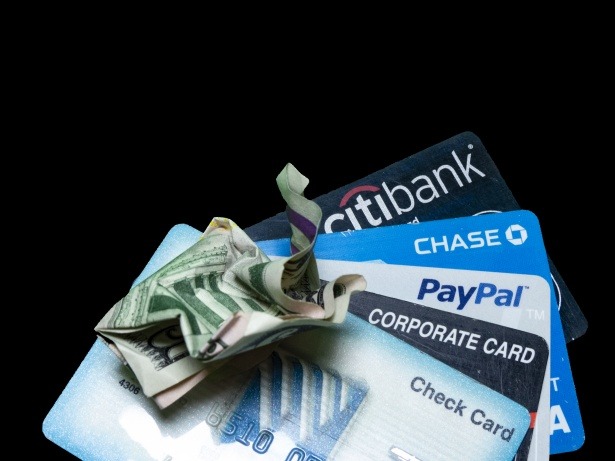
In America, if you don't have money, it often seems like you end up spending even more money, right?
The first thing you notice is the interest on credit cards and loan rates. If you have a good credit score, banks will offer you favorable terms. You can get car loans at low rates, and credit cards have manageable interest rates.
However, if your credit is damaged even once, the situation changes completely. The interest on borrowing the same amount can skyrocket. Some people pay 5% interest on borrowed money, while others pay nearly 25%. Ultimately, those who are short on cash end up paying more in interest.
Renting is similar. When trying to find a place to live, having good credit is almost essential. If your score is decent, the contract goes smoothly. But if your score is low, you may be asked for several times the deposit or even outright rejected. This reduces your options, and you end up moving into a more expensive or less favorable place.
"The situation where you move into a more expensive home because you have no money" actually happens.
Car insurance can also be surprising. Even if you haven't had an accident, your premium can vary. The reason is credit. If your credit is low, you're considered a high-risk customer, and your premium increases. A car is essential, but it starts off costing more right from the beginning. When these things pile up, you really feel the impact.
The same goes for banks. If you don't have money, you pay more in fees. If you can't maintain a minimum account balance, a monthly fee applies, and if you overdraft, you can lose dozens of dollars per transaction.
It's a situation where you're constantly short on money due to minimum balance requirements, and then more money gets deducted from there. In contrast, those with financial stability hardly pay these fees. Even though they use the same bank account, the conditions are different.
Finally, there's the way we buy things. This is something you feel in everyday life. If you have money, you can buy in bulk at a discount, but if you don't, you end up buying little by little.
As a result, you end up spending more. This isn't an isolated issue. If you could buy in bulk, you'd save money, but when you're short on cash, you can't.
Even popular options like Buy Now Pay Later ultimately come with fees or interest. While it may seem convenient at first, when you think about it, it ends up being a loss.
In America, those without money end up paying higher costs. It's not just about paying less tax; the entire structure of income versus expenses is set up unfavorably.
Therefore, preventing money from leaking out is more important. Managing credit, avoiding unnecessary fees, and lowering interest rates are ultimately ways to reduce living expenses.
If you live without knowing this, money will keep slipping away, but once you understand it, you can spend much less with the same amount of money. Ultimately, making money in America is a skill, and preventing money from leaking out is also a skill, it seems.
 USAToday



 Agenda Center |
 Texas Migration Story |
 Moo Tang Clan |
 Peter Pan Pet |
 timemachine |
 babybay |
 Khan Film Blog Production |


 There Are Such Things in the World |
  digital |
  Starry Eyes |
  Desert King |
  Texas Real Estate Blog |
  U.S. Retirement Pension Information |
  Seattle - Emerald City |
  Unknown Dog Walk blog |
  California Dreamer |
  Bearded Strawberry Smoothie |
  JESIKYEOALBA BLOG |
  Heart Ticker |
  Jellia Angel |
  yenne |
  neroyo |