
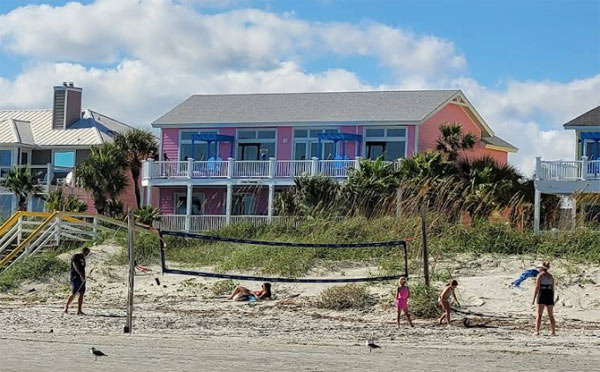
The coastal region of South Carolina has distinct characteristics, from its weather to its economy.
The state's coastline stretches about 300 kilometers, lined with cities like Myrtle Beach, Charleston, and Hilton Head. The climate is typically subtropical maritime, with hot and humid summers and short, mild winters. The average temperature in January is about 10 degrees, while in July it hovers around 30 degrees, making spring and fall the most pleasant seasons.
The sea breeze cools the summer heat a bit, but the humidity is high, keeping the air consistently moist. This allows grass and trees to thrive, resulting in abundant greenery. However, as hurricane season approaches, residents become a bit anxious, as storms coming up from the Atlantic between August and October can change direction and impact the area directly.
Despite this, the reason this region continues to grow is due to its economic appeal.
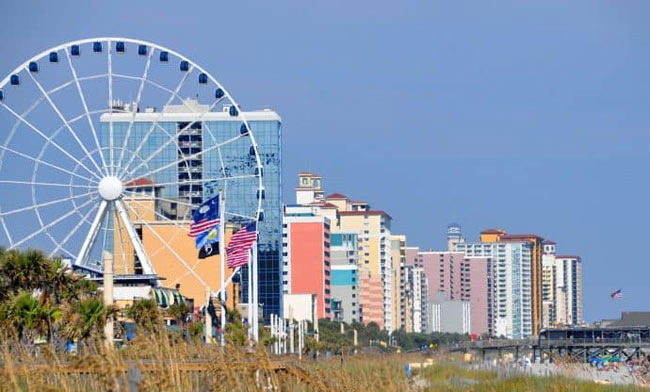
The coastal region of South Carolina is centered around the tourism industry. Myrtle Beach attracts crowds in the summer, earning the nickname 'the Las Vegas of the East,' with golf courses and beach resorts driving the economy of the entire city.
Charleston is a bit different. This port city has been around since the 17th century, evolving from a traditional maritime trade hub to a center for advanced industries and logistics. Active import and export through the Atlantic make the Port of Charleston one of the busiest ports in the United States. Thanks to this port, various manufacturing sectors, including automotive, machinery, textiles, and chemicals, have developed, with global companies like BMW and Volvo utilizing the area as a logistics base.
Additionally, the income levels in the Charleston area are higher than the state average, and real estate values are steadily rising. Hilton Head is a preferred area for retirees and the wealthy, with a vibrant resort economy. The mild weather year-round makes outdoor activities like golf, sailing, and fishing popular, and this tourism infrastructure accounts for a significant portion of local employment.
The economic structure of the coastal region is gradually expanding from a simple tourism-dependent model to one focused on technology and logistics. Recently, new industrial projects such as port automation and green energy logistics complexes have been increasing near Charleston, bringing positive changes to local jobs and tax revenues.
Thanks to its warm climate, vibrant ports, and rich tourism resources, the coastal region of South Carolina has established itself as a 'livable coastal economic zone.' This area, where the sea and industry coexist, can be considered a representative growth region of the South, with a well-balanced relationship between nature and the economy.








 urbanmint |
 See South Carolina |
 Information on All Regions of the United States |
  Tonky |
  viroma |
  cookie |
  Live and that's it |
  Alright Twain |
  eatontown blog |
  HAWAII Korean Church News |
  Amore |
  linex |
  Balancework |
  laro90 |
  MEDBIO American Doctor Blog |
  SWAT TEAM BLK |
  DREAM BIG |
  frostbite |
  330 Forever My Love |
  El Dorado |
  dralix58 |
  Gorama Round |
  Skydiving |