
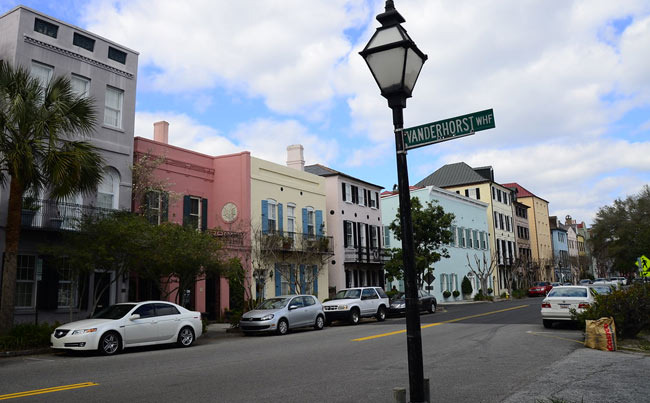
South Carolina is a small state in the southeastern United States, but it has a surprisingly robust economy. Once known as a typical Southern state focused on agriculture, it is now transforming into a balanced economic structure that integrates manufacturing, logistics, and tourism.
As of 2024, the state's Gross Domestic Product (GDP) is approximately $350 billion, placing it in the mid-range among all U.S. states.
While it may seem small in size, productivity per capita is steadily increasing. In particular, manufacturing sectors such as automobiles, aircraft, and tires are driving the local economy, with global companies like BMW, Volvo, and Boeing at the forefront. The BMW plant in Spartanburg is one of the largest automobile assembly plants in North America, and Boeing's aircraft assembly line near Charleston employs thousands.
Thanks to this manufacturing sector, export volumes have consistently grown, and South Carolina is now referred to as a 'state where manufacturing thrives' due to its solid production base. Another noteworthy aspect is logistics. The Port of Charleston, located on the Atlantic, is one of the busiest ports in the United States, with increasing import and export volumes each year.
This port is situated on major maritime routes connecting Europe, South America, and Asia, serving as a logistics hub for global companies. The development of this logistics industry leads to job creation and increased tax revenue, supporting overall economic growth in the state.
In terms of income, South Carolina's average per capita income in 2024 is about $38,000, with a median household income of around $66,000. While slightly lower than the national average, the cost of living is affordable, and the burden of state and income taxes is relatively light, resulting in a stable standard of living.
Particularly, housing prices are less than half of those in California or New York, leading to many retirees and young families relocating here. Recently, with the influx of tech startups and clean energy companies, the state is transitioning from a 'manufacturing-centric state' to a 'diversified industrial state.'
In areas like Greenville and Charleston, jobs related to IT services, engineering, and healthcare are rapidly increasing, and innovation centers linked to local universities are emerging. Thanks to these changes, South Carolina is shedding its past image as a laid-back Southern state and is now recognized as a place where substantial economic growth and quality of life coexist.
South Carolina is a place with a 'small but solid economy.' With warm weather, low costs, and a steadily growing industrial structure, it is now emerging as a new economic hub in the South.








 urbanmint |
 See South Carolina |
 Information on All Regions of the United States |
  Atlanta Mama |
  Baguette Blog |
  US Embassy |
  Korean Mom |
  My NYC |
  moo moo |
  Mr Oh |
  forevergee |
  festival |
  manchester |
  constant |
  Leapfrog Move |
  vibranto |
  Tora Tora |
  yellowbutter |
  Dolly |
  NYC saladbar |
  Finding Superfoods |
  lightyear |
  song bang |