

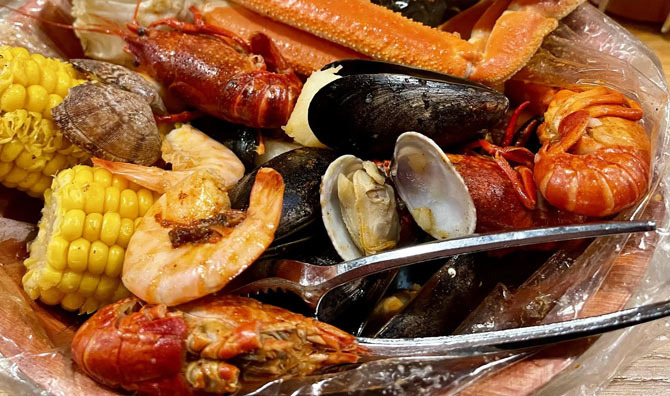
When traveling in the South Carolina region, you often come across "Cajun food".
Although Louisiana is the birthplace of Cajun cuisine, South Carolina also offers a variety of Cajun dishes.
The spicy and fragrant aroma of spices fills the alleys, and restaurant signs prominently feature menus like "Cajun Shrimp", "Blackened Catfish", and "Jambalaya". Cajun food, combined with the warm Southern sentiment, has become a part of South Carolina's food culture.
Cajun cuisine was created when Acadian immigrants from France were expelled from Canada and moved to Louisiana in the 18th century. The food they made by mixing local ingredients with French cooking methods is what we now call Cajun food. It typically features many 'one-pot dishes' and is characterized by the use of strong spices.
The essence of South Carolina's Cajun food lies in the harmony of spices and seafood. Especially in Charleston and Myrtle Beach, which are located along the Atlantic coast, there are many dishes that stir-fry or stew fresh shrimp, crabs, and crawfish with Cajun seasoning.
Cajun seasoning combines paprika, garlic powder, onion powder, thyme, oregano, and cayenne pepper to create a spicy flavor. This taste is why Cajun food is famous as "Southern spicy food".
One representative dish that cannot be overlooked is Jambalaya. It is a dish made by boiling rice, shrimp, sausage, chicken, onions, bell peppers, and tomatoes in one pot, which can be seen as Cajun-style fried rice.
In South Carolina, local rice called 'Carolina Gold' is used to create a chewy and nutty flavor. Another popular dish is Gumbo. This is a soup stew that is characterized by being thickened with a sticky vegetable called Okra. Gumbo has a slight spiciness and savory taste, making it a perfect 'one-bowl meal' when eaten with rice.
Nowadays, Cajun shrimp dishes can often be seen in South Carolina restaurants.
'Cajun Shrimp & Grits' is a representative menu. Fresh shrimp is stir-fried with Cajun seasoning, and underneath it, soft and creamy cheese grits are served. The spiciness and creaminess blend perfectly in the mouth.
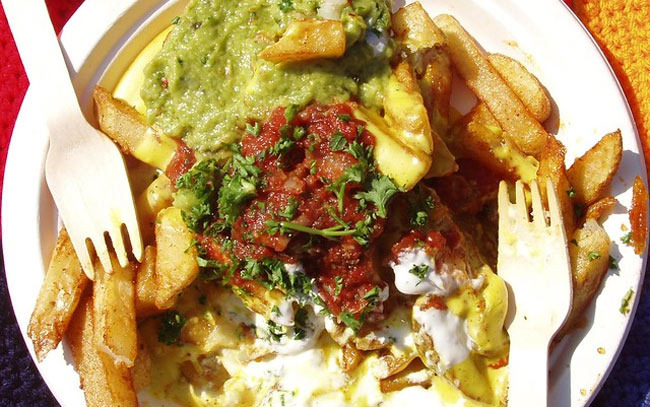
South Carolina style is not very spicy and emphasizes a rich flavor by using more butter or cream.
In Cajun-style blackening dishes, fish or chicken is coated with spice powder and then pan-fried in butter until golden brown. The outside is crispy while the inside remains moist, making it a great match for fresh seafood dishes by the beach.
Interestingly, South Carolina's Cajun cuisine is not merely an imitation of Louisiana. It has evolved into a 'Lowcountry' version by mixing local ingredients and Southern cooking methods. Here, Cajun sauce is made with local crab meat, oysters, and shrimp, and amidst the spice's stimulation, warmth is felt, with a creamy butter aroma following the spiciness.
Like the slow and warm rhythm of the South, South Carolina's Cajun seems to be a part of daily life infused with Southern culture and sentiment.





 urbanmint |
 See South Carolina |
 Korean Mom |
  My NYC |
  moo moo |
  Mr Oh |
  forevergee |
  festival |
  manchester |
  constant |
  Leapfrog Move |
  vibranto |
  Tora Tora |
  yellowbutter |
  Dolly |
  US Embassy |
  NYC saladbar |
  Finding Superfoods |
  lightyear |
  song bang |
  vexomo |
  Indiana Jones |