


What is the cost of living in San Diego, often cited as one of the best cities to live in the U.S.?
The cost of living index of 155 is 55% higher than the national average, lower than Los Angeles (163) in California, and on par with Pasadena (155). Let's break down the actual cost of living in this city, which boasts a mild climate year-round, a world-renowned zoo, beautiful beaches, and a cluster of advanced defense industries and military bases.
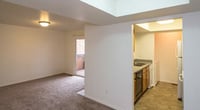
Housing costs in San Diego have seen a sharp increase in recent years. The monthly rent for a two-bedroom apartment ranges from $2,400 to $3,000, with preferred areas like Mission Valley, La Jolla, and Carlsbad being even higher. The median sale price for single-family homes is estimated to be between $850,000 and $1,000,000. According to Zillow, the rate of increase in housing prices across San Diego County has consistently outpaced the California average, likely due to a shortage of supply and high demand.
Grocery prices are estimated to be about 25-30% higher than the national average. There are various options available, including Whole Foods, Sprouts, and Costco, and due to its proximity to the Mexican border, some fresh produce can be purchased at lower prices. A realistic monthly grocery budget for a family of four is between $1,050 and $1,350. In areas like Clairemont, Mira Mesa, and Zentry, there are Korean markets that make it easy to find Korean ingredients. The Korean population in San Diego is estimated to be around 50,000, and the community is quite active.
Transportation costs reflect the characteristics of San Diego. While there are trolley and bus routes, most residents rely on their vehicles. Car insurance rates are among the highest in California, with combined monthly fuel, insurance, and maintenance costs estimated to be between $550 and $800. Compared to Los Angeles, traffic congestion is less severe, and travel distances are relatively short, which may lower transportation costs somewhat.
Utilities are easier to manage in San Diego thanks to its favorable climate. With temperatures often stable between 64°F and 77°F throughout the year, heating and cooling costs are significantly lower than in inland California. Monthly costs for electricity, gas, and water are estimated to be between $160 and $220, which is lower than Sacramento ($200-$280) or Riverside ($230-$340). Although SDG&E (San Diego Gas & Electric) has high electricity rates, lower usage tends to offset this.
When compared to Washington DC (153), Fort Lee NJ (155), and Hartsdale NY (155), which all have the same index of 155, San Diego has advantages in climate and living environment, but faces similar housing cost burdens. In nearby areas like Chula Vista and El Cajon, rents can be found that are about 10-15% lower.
Based on Numbeo data, a family of four in San Diego would need an annual household income of $120,000 to $140,000 to maintain a middle-class lifestyle. With abundant job opportunities in defense, aerospace, biotech, and telecommunications, achieving this income target may not be difficult for professionals. The combination of perfect weather, beautiful natural surroundings, and a vibrant Korean community makes San Diego a city that many Korean families choose, despite its high cost of living.
 CryingLoses
 GoodKarma






 |
| 
 Premium Gas Camp |
 CA Real Estate |
 cheesepup |
 breezem |
 Learn English Accurately |
 Neither Aunt nor Young Lady |
 Sandiego Auntie |
 Karina's Blog |
 Pinky Seven |
  Granola |
  joyfull yang |
  Olivia's Blog |
  Living in America and Writing Essays |
  Piano Teacher Blog |
  bearcup |
  explorer |
  dictionary |
  Mr Bull Jung |
  radiant |
  Georgia 88 |
  Great TOWN NEWS |
  Open Flex Mind |
  Hartford Blog |
  unified |
  Generation X |
  ringwinds |
  American Food Information & Calories |
  Hawaii Maui Kahului |
  calvorn |