

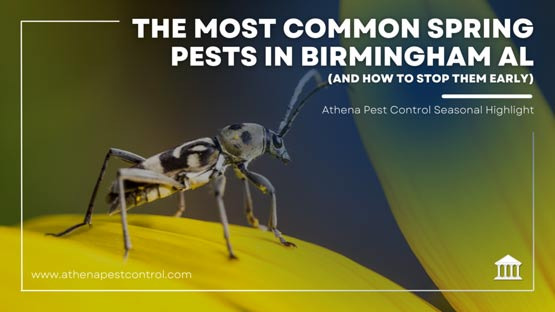
One piece of information that those preparing to move to Birmingham often overlook is the unique local pests and allergy environment.
Alabama has a warm climate with high humidity, making it a favorable environment for various pests and allergens. Birmingham is particularly notable for this issue, regularly appearing on the list of the worst allergy cities published by the Asthma and Allergy Foundation of America.
Mosquitoes are very active from April to October. The combination of Alabama's aggressive mosquitoes and high humidity makes mosquito repellent essential for outdoor activities. In Jefferson County, a few cases of West Nile virus infection are reported each year. Ticks are also a serious concern. Lone Star ticks, American dog ticks, and black-legged ticks all inhabit the area, and Alabama is one of the states with a high incidence of Rocky Mountain spotted fever. After hiking in wooded or brushy areas, it is crucial to check for ticks.
Fire ants can be found in lawns throughout Birmingham. If stepped on or disturbed, they can swarm and deliver multiple stings, which may require medical attention for those with severe allergic reactions. The brown recluse spider is commonly found in Birmingham homes, garages, and woodpiles. Its bite can cause skin tissue necrosis, making it a dangerous spider. While black widow spiders are also present, they are less common than brown recluses. Termites can cause significant damage to wooden homes, so a termite inspection is essential before purchasing a house.
The allergy season lasts almost all year round. From February to May, oak, cedar, and pine pollen is released in large quantities. During pine pollen season, parked cars are often covered in yellow dust. From June to August, grass pollen is prevalent, and from August to November, ragweed season occurs, which is particularly long and intense in Alabama. The high humidity throughout the year also causes mold spores to trigger allergy issues both indoors and outdoors. Those with asthma or allergies should consult an allergy specialist before moving.
In 2024, there was a rare simultaneous emergence event of periodic cicadas in the Alabama area, including Birmingham. Brood XIII and Brood XIX emerged at the same time, resulting in billions of cicadas making loud noises for weeks. Periodic cicadas emerge every 13 or 17 years and are not pests, but they can be quite a strange experience for first-timers. Histoplasmosis is a lung infection caused by a fungus that grows in soil enriched with bird or bat droppings, so caution is needed when engaging in activities around the Ruffner Mountain Cave. Being aware of these environmental characteristics in Birmingham can help create a much more pleasant daily life.
 MilkThugBots
 NoodleDanceM






 neroyo |
 nivex85 |
 Old English |
 nixxon |
 LIZ Legal Information Blog |
 Information on All Regions of the United States |
 Skyline |
 Alabama Bang |

 draxen |
  gallery |
  milkyotter |
  Zoom Zoom Zoom |
  Minnesota Lakes and Clouds |
  noraro |
  tervox95 |
  vale vale |
  yentra |
  Golden life |
  andrew park |
  Peter Pan Pet |
  Balan |
  Cali M Law Group |
  Dreams Come True as Desired |
  Khan Film Blog Production |
  coloradoman |
  Living Economy Information Blog |
  rustley |