

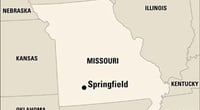
The southwestern region of Missouri is located at the transition point between a humid subtropical climate and a continental climate, making pests, allergy-inducing plants, and certain endemic diseases more noticeable than in other areas. This article is not intended to provide medical diagnoses or prescriptions, but rather serves as a reference for gathering information before relocating.
Ticks are one of the most concerning pests throughout Missouri, including Springfield. Missouri is classified as a risk area for Lyme disease in the United States, particularly with the presence of the blacklegged tick (Deer Tick) and the lone star tick. The lone star tick is known to be associated with STARI (Southern Tick-Associated Rash Illness) and alpha-gal syndrome (which causes meat allergies). It is recommended to wear long pants and use tick repellent (DEET or permethrin-treated clothing) when active in grassy areas, wooded paths, or park underbrush from May to October, and to conduct a full-body tick check after outdoor activities.
Mosquitoes are also a major nuisance in Springfield during the summer. In Missouri, the Culex mosquito, which transmits the West Nile Virus, is present, and since 2020, WNV-positive mosquito populations have been consistently identified in some counties. The Greene County Health Department runs a mosquito control program every summer, but it is also important for individuals to use repellent during evening and early morning outdoor activities and to eliminate standing water (such as in plant saucers and empty pots).
In terms of allergies, the Springfield area is known for tree pollen in the spring and weed pollen in the fall, particularly ragweed. According to the Allergy Capitals report by the Asthma and Allergy Foundation of America (AAFA), the Springfield area consistently ranks among the top cities for allergy prevalence each year. In spring (March to May), oak, eastern red cedar, and maple are the main allergy triggers, while in fall (August to October), ragweed spikes significantly. If you have a history of allergies, it is advisable to consult an allergy specialist before moving and to familiarize yourself with the local allergy calendar shortly after relocating.
Among endemic fungal infections, histoplasmosis is relatively common in Missouri. Histoplasma is a fungus that arises from soil contaminated with bat or bird droppings, posing inhalation risks during activities such as demolishing or remodeling old buildings, visiting caves, or handling compost or old soil. Most healthy adults experience no symptoms or mild flu-like symptoms, but those with weakened immune systems may experience severe complications, so caution is advised. Specific symptoms or risk factors should be confirmed with a healthcare professional.
Other notable creatures include the brown recluse spider, which inhabits all of Missouri, including Springfield. They prefer dark, warm places (such as attics, closets, and behind old furniture), and if bitten, the wound can slowly progress to necrosis, requiring immediate medical attention. It is safe to wear thick gloves when organizing storage or retrieving long-term storage boxes after moving.
While it is impossible to completely avoid the pest, allergy, and endemic disease environment in Springfield, most risks can be significantly reduced with prior knowledge and simple preventive measures. It is recommended to undergo allergy testing and a general health check at a local medical facility before experiencing the first spring and summer seasons after moving.
 SconeWarRoom
 AlmostAudrey







 LIZ Legal Information Blog |
 Karina's Blog |
 Jimbeam 88 |
 Taco Bell Candy Note Blog |
 Splendid Mission |
 moname |
 ramen |
 calvor |

 bravik31 |
  Various Knowledge and Information in the USA |
  orvik90 |
  San Gabriel Mountains |
  quanta7 |
  Fransco Family |
  leonee |
  Augusta 90 |
  Project Tomorrow |
  DOCTOR MED |
  Say IT Now |
  Alpha and Omega World |
  Always Dreaming of Big Success |
  NEXT ROUND |
  Helpful Life Stories |
  Healthy Local Fresh Information |
  molten |
  Way to easy |
  intact |
  happy 9 |