


Located southeast of the Las Vegas metropolitan area, Henderson has become one of the fastest-growing cities in Nevada over the past decade. Its current population is estimated to exceed 330,000, with a steady influx of households moving from high-cost areas in the West, including California, driving growth across the region. However, in recent years, the growth rate has stabilized somewhat compared to the double-digit increases seen in the early to mid-2010s.
Unlike Las Vegas, which historically relied heavily on casinos and tourism, Henderson has diversified its industrial base into healthcare, financial services, and advanced manufacturing. The expansion of medical education institutions, such as Roseman University, and the relocation of numerous fintech and insurance companies are ongoing efforts to reduce dependence on tourism, with noticeable office development in the Green Valley and Anthem areas.
The unemployment rate tends to be slightly above the national average due to the high proportion of tourism in the Las Vegas metropolitan area, but Henderson itself remains relatively stable, with income growth rates approaching the Western average. The fact that Nevada does not impose a personal income tax is often cited as a factor contributing to the influx of residents, and the arrival of retirees also supports the consumer base. Increases in hiring in the healthcare and financial services sectors have been observed to somewhat offset the volatility of the tourism industry.
In terms of infrastructure, the expansion of Interstate 11, the development of industrial parks around Henderson Executive Airport, and the establishment of new medical campuses are underway. Sports and entertainment infrastructure, such as the Las Vegas Raiders training facility, also appears to contribute positively to the local economy. The expansion of water and power networks is being discussed in line with population growth. Approvals for new residential developments in available areas, excluding the restricted zones near Lake Mead, are also ongoing.
According to statistics from Forbes real estate sections and U-Haul migration data, Nevada, particularly the Las Vegas-Henderson area, often ranks high for net inflow of residents. However, concerns have been raised that the reliance on tourism and the pace of rising housing prices may outstrip income growth, highlighting the need for a balanced perspective. The unique water resource constraints of the desert climate are also variables that continue to be mentioned in long-term development plans, and the outcomes of negotiations over Colorado River water allocation will need to be monitored in the long run.
For Korean households, Henderson has consistently attracted interest as a residential area due to its relatively safe environment, new housing developments, and quieter living conditions compared to Las Vegas. However, given the significant rise in housing prices in recent years, careful consideration is needed regarding the timing of entry, and rental yield should also be evaluated in light of the increase in purchase prices.
Regionally, communities focused on new construction, such as Green Valley, Anthem, and Seven Hills, have been consistently mentioned among Korean households for their school districts and safety. Properties near golf courses tend to be priced higher. If considering a purchase, it is advisable to compare homeowners association (HOA) fees and property tax rates as well.
In summary, Henderson is a city with relatively clear dual pillars of industrial diversification and population influx, and it is generally assessed that it will continue to grow within the metropolitan area over the next decade. However, the risks of tourism volatility and housing price burdens should also be kept in mind.
 MilkThugBots
 CheeseClimb

 garlic bread |
 Sugar Cream Door Bulletproof Noodles |
 urbanmint |
 |
| 
 Premium Gas Camp |
  nero kim |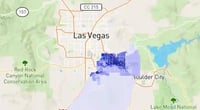
 blue ocean |
 korvon |
 VVV 80 |
 Say IT Now |
  draxen |
  gallery |
  milkyotter |
  Zoom Zoom Zoom |
  Minnesota Lakes and Clouds |
  noraro |
  tervox95 |
  vale vale |
  yentra |
  Golden life |
  andrew park |
  Peter Pan Pet |
  Balan |
  Cali M Law Group |
  neroyo |
  Dreams Come True as Desired |
  Khan Film Blog Production |
  coloradoman |
  Living Economy Information Blog |
  rustley |