
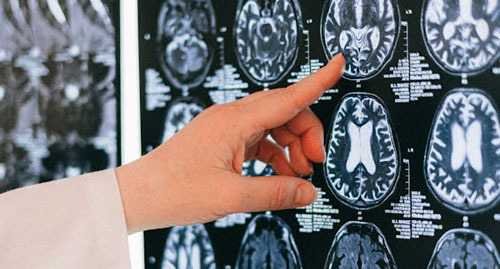
What is Dopamine?
Dopamine is one of the neurotransmitters that transmits signals between nerve cells in the brain and regulates various physical and mental functions. It also acts as a precursor to adrenaline and noradrenaline, and as an excitatory neurotransmitter, it enhances mood, earning it the nickname 'happiness hormone'.
Lack of Dopamine
Depression: A decrease in dopamine secretion makes it difficult to regulate emotions, leading to increased feelings of sadness.
Parkinson's Disease: Occurs when the nerve cells that secrete dopamine are damaged, resulting in decreased physical motor abilities.
Excess Dopamine
Mania: Excessive dopamine secretion leads to an overly excited emotional state.
Addiction Symptoms: Excessive stimulation of dopamine weakens impulse control, leading to various addictive behaviors such as alcohol, nicotine, and shopping.
The Relationship Between Dopamine and Protein Intake
- The Importance of Adequate Protein Intake
Dopamine is produced from tyrosine obtained from proteins. However, excessive protein intake can interfere with the process of dopamine being delivered to the brain.- Risks of Insufficient Dopamine: Increases the likelihood of neurodegenerative diseases such as memory impairment or dementia.
- Recommended Intake: A protein intake of 1g per kg of body weight is recommended (e.g., a 60kg adult should consume about 60g).
Chemical Properties and Roles of Dopamine
Chemical Structure and Receptors
- Molecular Formula: C8H11NO2
- Dopamine acts as a neurotransmitter and activates five main dopamine receptors known as D1, D2, D3, D4, and D5, along with their variants.
Synthesis Sites
- In the brain: Synthesized in the substantia nigra, spinal cord, etc., and acts as a neurotransmitter.
- Hormonal Role: Primarily synthesized in the hypothalamus, inhibiting prolactin secretion in the anterior pituitary.
Main Functions of Dopamine
Role as a Neurotransmitter
- Reward Circuit: Predicts rewards for stimuli and motivates behavior.
- Motor Coordination: Acts on the basal ganglia to precisely coordinate body movements.
Role as a Hormone
- Cardiovascular System: Sympathetic nervous system action increases heart rate and blood pressure.
- Prolactin Inhibition: Regulates prolactin secretion in the pituitary gland.
Tips for Balancing Dopamine
Maintain a Healthy Diet
- Consume foods rich in protein and tyrosine (eggs, fish, chicken, tofu, etc.).
- Eat vegetables and fruits high in antioxidants.
Exercise
- Regular exercise naturally promotes dopamine secretion.
Manage Mental Health
- Reduce stress and ensure adequate sleep.
- Activities that stabilize the mind, such as meditation, are helpful.
Addiction Prevention
- Avoid substances that excessively stimulate dopamine, such as alcohol and tobacco.
Dopamine plays a crucial role in our physical and mental health, and maintaining an adequate level and balance is important.
Maintaining the balance of dopamine through lifestyle, diet, and mental health management is key to protecting physical and mental health!






 Weekend Movie Blog |
 Beauty, Health, Lifestyle Blog |
 coloradoman |
 Superman Cat Blog |
 novapixel |
  US Embassy |
  Korean Mom |
  My NYC |
  moo moo |
  Mr Oh |
  forevergee |
  festival |
  manchester |
  constant |
  Leapfrog Move |
  vibranto |
  Tora Tora |
  yellowbutter |
  Dolly |
  NYC saladbar |
  Finding Superfoods |
  lightyear |
  song bang |
  vexomo |
  Indiana Jones |