


Walking through the Cortex Innovation District, you can see old factory buildings transformed into offices for biotech startups. This unique landscape of St. Louis showcases the overlap between its past image as a manufacturing city and the recent trend of developing life sciences clusters.
While the population of the city of St. Louis has been declining for a long time, the overall metropolitan area shows relatively stable population numbers. According to data from census.gov, the metropolitan population has maintained a steady flow with gradual fluctuations without significant changes.
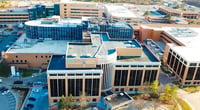
The industrial base is notably represented by the aerospace and defense sector. Boeing's defense production facilities are a major part of local employment, and with the recent completion of the new western campus of the National Geospatial-Intelligence Agency (NGA), related federal jobs are also increasing. The biotech and healthcare startup ecosystem centered around the Cortex Innovation District is steadily growing as well.
The unemployment rate is estimated to be in the upper 3% to lower 4% range for Missouri, and the St. Louis metropolitan area appears to be moving within a similar range. Income growth rates are maintaining a moderate level.
Infrastructure investments include the completion of the NGA western campus, along with redevelopment projects in the surrounding areas, and modernization efforts for port facilities along the Mississippi River. These investments are seen as factors that strengthen the logistics and defense-related industrial base.
According to evaluations from the Brookings Institution and Moody's, St. Louis is positively viewed for having stable anchor industries in defense and healthcare. However, the city's ongoing population decline and income disparities between regions are often cited as obstacles to long-term growth. This suggests that the growth of specific industrial clusters and the recovery of the city's overall population should be observed separately.
This is something Korean households should consider when reviewing real estate in St. Louis.
- Demand for rentals is increasing near the Cortex Innovation District due to the rise in startup employment.
- Areas near the NGA campus are expected to see real demand based on federal employment stability.
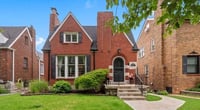
- Suburban areas with strong school districts can expect relatively stable residential demand.
While there are clear signs of growth at the industrial cluster level in St. Louis, it seems that a broader rebound for the city as a whole may take a bit more time. A selective approach to specific areas can be seen as a valid market strategy.
 Baconator
 BlueHarbor74





 garlic bread |
 Sugar Cream Door Bulletproof Noodles |
 urbanmint |
 |
| 
 Premium Gas Camp |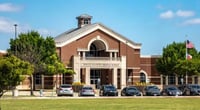
 Lim Ario |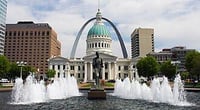
 zeltrio |


 draxen |
  gallery |
  milkyotter |
  Zoom Zoom Zoom |
  Minnesota Lakes and Clouds |
  noraro |
  tervox95 |
  vale vale |
  yentra |
  Golden life |
  andrew park |
  Peter Pan Pet |
  Balan |
  Cali M Law Group |
  neroyo |
  Dreams Come True as Desired |
  Khan Film Blog Production |
  coloradoman |
  Living Economy Information Blog |
  rustley |