

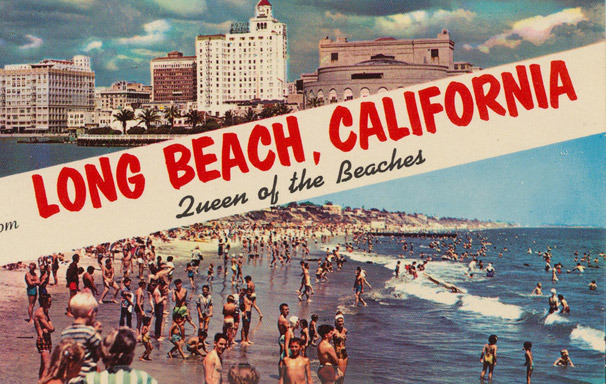
Long Beach, a coastal city in Southern California, is inseparable from the sea, just like its name suggests.
Originally, this area was the land of the Native American Tongva tribe, who called it 'Ishkashim.' In the early 1800s, it was used as grazing land under Spanish and Mexican rule, and the history of Long Beach began in the late 19th century with the start of urban development.
With the opening of the railroad in the 1880s, Long Beach rapidly grew into a beach resort just over an hour by train from Los Angeles. At that time, it was not the bustling metropolis it is today, but a quiet coastal city mixed with orange groves and small towns. In 1897, it was officially registered as a city under the name 'Long Beach,' and around that time, wealthy LA citizens began building summer cottages. During this period, one of Long Beach's symbols, 'The Pike,' opened, which was a popular destination for LA residents in the early 1900s, featuring a carousel, roller coaster, and beach amusement park.
However, the discovery of oil in the 1920s dramatically changed the city's fate. Oil drilling rigs were established along the Long Beach coast and nearby areas, leading it to become one of the prominent oil cities in the United States. Real estate and industry grew simultaneously, and the construction of the port further expanded the economy. By the 1930s, it had already established itself as one of the largest ports in the western United States, and during World War II, it developed into a center for the military industry with the establishment of a U.S. Navy base.
But in 1933, a major earthquake struck the city, causing many buildings to collapse, and schools, churches, and shops were damaged. Nevertheless, Long Beach recovered quickly. In fact, the earthquake recovery process led to the creation of modern architecture and new road networks, upgrading the city.
In the 1950s and 60s, the city became even more vibrant with the growth of the aviation industry alongside the Long Beach port. During this time, aviation manufacturing companies like Boeing and McDonnell Douglas established factories, attracting numerous engineers and workers. This trend continued into the 1980s, solidifying Long Beach as an industrial and port city.
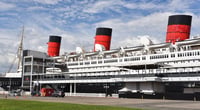
In the 1990s, the city attempted to transform from an industrial center to a cultural and tourism hub. A prime symbol of this change is the Queen Mary. Once a luxurious ocean liner crossing the Atlantic, it was permanently docked at Long Beach port and repurposed as a hotel and tourist attraction, giving the city a completely different image.
Along with this, the Aquarium of the Pacific, convention center, and waterfront shopping areas were developed, earning the city the reputation of 'the revival of a port city.'
Today, Long Beach is not just a simple beach city, but an important economic and cultural hub connecting the LA metropolitan area. Various industries coexist, including port logistics, tourism, and education (California State University, Long Beach), and it has grown into a global city with a multicultural community. While it was once a city of oil and shipyards, it has transformed into a vibrant coastal city where art, the ocean, and innovation blend together.
Long Beach retains the traces of time where California's industry and culture have grown together.


 candytip |
 Gold Bar |
 Pirate Ship Popcorn Maker |
 Montgomery Mom |
 Anjollinya Blog |
  Korean Blog |
 Coastal city |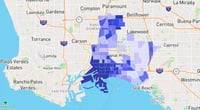
 Sammy Beach |
 Key spots |
  Atlanta Mama |
  Baguette Blog |
  US Embassy |
  Korean Mom |
  My NYC |
  moo moo |
  Mr Oh |
  forevergee |
  festival |
  manchester |
  constant |
  Leapfrog Move |
  vibranto |
  Tora Tora |
  yellowbutter |
  Dolly |
  NYC saladbar |
  Finding Superfoods |
  lightyear |
  song bang |