
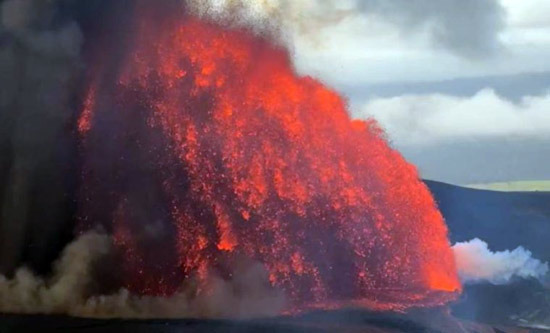
Kīlauea Volcano is located on the Big Island of Hawaii. The Big Island is large, and as the name suggests, it is a land where active volcanoes are truly alive. Among them, Kīlauea is particularly active. It is not just a volcano; it is a volcano that is "still bubbling beneath the ground right now."
At first glance, it may seem like a low, gently sloping mountain. It does not have the sharp shape that one typically imagines for a volcano; instead, it is a shield volcano formed by the wide spread of lava. So, when you drive into the park, the scenery suddenly changes. Black and red lava fields, cracks with smoke rising, and heat rising as if the earth is breathing. After seeing the ocean views, coming here makes you wonder, "Is this the same island?"
Recent lava flows make it even more real. A few years ago, a major eruption swallowed hundreds of homes in lava, and since then, there have been repeated large and small eruptions. Some days, the lava pools bubble like a volcanic lake, while on other days, reports come in of red lava shooting up like a fountain. Sometimes, scenes of lava columns rising hundreds of meters have been witnessed, giving a sense of how active this volcano is.
Here's an interesting point. Most Hawaii travelers focus on beaches and hotels, but on the Big Island, you will see another face known as the "Island of Fire and Lava." Heading towards Hilo, you will find forests and rainy areas, and as you enter the national park, endless barren lava fields stretch out. Walking on the hardened land of lava, you feel the hard, cracked surface like a shell, the heat beneath your feet, and the sulfur smell carried by the wind, making you feel like you are in the very heart of a living Earth.
As for travel tips, eruptions are still occurring intermittently, so access can often be restricted. However, from viewpoints or designated areas in the park, you may be able to see the glowing red lava and eruptions from a safe distance. Just be careful not to set your expectations too high, as you might be disappointed.
Some days, lava flows actively, while on others, it may appear quiet, but magma is still moving beneath the surface. Since a volcano is not a show but nature, the experience can vary completely depending on the timing. However, those who have seen the scene of the red glow filling the sky after sunset say, "Just that one scene gives a reason to come to Hawaii."
Near Kīlauea, there are times when volcanic glass fibers known as "Pele's Hair" can blow around, which can feel prickly if they touch your eyes or skin. So, on windy days, it's best to wear glasses and avoid inhaling them.
Additionally, volcanic gases can affect air quality, so it is safe to check the weather information. Locals are accustomed to such situations, but travelers often realize late that "this is a space that requires caution."
In conclusion, Kīlauea is a place that allows you to see Hawaii from a different perspective. Once you peel away the image of a 'resort,' the true nature of the island created by fire and lava is revealed.
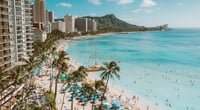
Relaxing with a cocktail in Waikiki is also Hawaii, and breathing in the hot air above the land while looking at the volcano on the Big Island is also Hawaii. However, Kīlauea is still awake, and no one knows when it might exhale again.






 Hakuna Matata |
 Hilo Cat |
 HAWAII Korean Church News |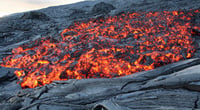
 Hawaii Maui Kahului |
  manchester |
  constant |
  Leapfrog Move |
  vibranto |
  Tora Tora |
  yellowbutter |
  Dolly |
  US Embassy |
  NYC saladbar |
  Finding Superfoods |
  lightyear |
  song bang |
  vexomo |
  Indiana Jones |
  meloncat |
  novapixel |
  mortrix |
  Esther 1983 |
  fortbliss |
  Moscow Kim |