
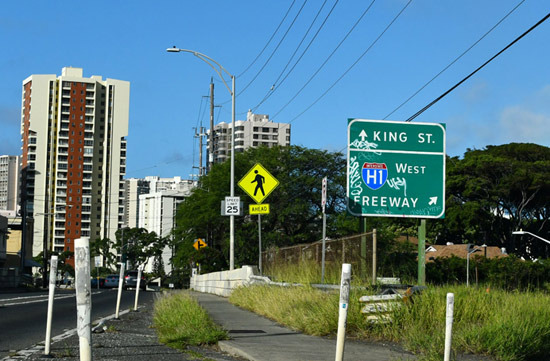
Living in Hawaii, the bustling tourist spots, bikini-clad women on the beaches, palm trees by the sea... it all sounds great. But if your bank balance is thin, all these views just remain as expensive wallpapers. Let's honestly write about the reality I felt while living in Hawaii. If you were thinking, "I should immigrate to Hawaii!" after reading this, I hope you reconsider.
First, housing prices are no joke. People say New York and San Francisco are expensive, but Hawaii is truly expensive in a different sense. The land is limited and demand is high, so available properties are scarce. A condo near Waikiki? Even a slight view of the ocean can significantly raise the price. It's common for an old one-bedroom condo to exceed $500,000.
Even if you try to rent, single-family homes are a dream, and living in an old apartment while paying maintenance fees makes the saying 'Hawaii is expensive' hit home. And then there's the cost of food. It really brings tears to your eyes. A poke bowl typically costs $15 to $20, and basic ingredients like onions and bananas are much more expensive than on the mainland.
At first, you think, "Wow, the cost of living here is no joke," but later you start to think, "Maybe I should just not eat..." Dining out is another story, especially in places like Waikiki where a solo meal can cost $40 with tips included. After dining out twice, you might feel regret thinking, "I should have just gone to the mainland for a vacation." This is why Spam musubi is considered a common man's food. It's not cheap because it's a delicacy; it's just affordable enough to survive on.
The cost of maintaining a car is also high, including parking fees, insurance, and car prices. In Hawaii, cars rust quickly due to the salty sea air, and repair costs can be ridiculous. Plus, the roads aren't that wide, and traffic jams can be quite bad. Oahu isn't large, but during rush hour, a 30-minute commute can turn into an hour-long ordeal. If you were expecting wide-open freeways like on the mainland, you should let that expectation go.
The job situation is even more realistic. There are many jobs in tourism, service, and hospitality, but salaries are not as high as you might think. Unless you have a remote job or are preparing to start a business, it's hard to survive on just a salary. Many local jobs leave you barely able to pay rent after taxes. So, those who live in Hawaii for a long time generally have money, family, or luck—one of the three.
Still, looking at the ocean relieves stress, and just a gentle breeze can lift your spirits. I understand that as you age, these things become great happiness. But happiness isn't free... A neighbor once said, "Hawaii is a paradise, but the cost of living here is a nightmare."
To be honest, without money, living in Hawaii is not a romance but a survival game. If your bank account is healthy, it's heaven; if it's tight, it's a hellish version without air conditioning. The ocean is free, but living next to it costs money. The breeze is free, but living a life enjoying that breeze is expensive.
I'm not trying to bash Hawaii. You just need to know the reality to survive here.







 victoria 68 |
 Hawaii Tourist Information |
 TEX MEX STAR |

 Vacation on Hawaii |
  Korean Mom |
  My NYC |
  moo moo |
  Mr Oh |
  forevergee |
  festival |
  manchester |
  constant |
  Leapfrog Move |
  vibranto |
  Tora Tora |
  yellowbutter |
  Dolly |
  US Embassy |
  NYC saladbar |
  Finding Superfoods |
  lightyear |
  song bang |
  vexomo |
  Indiana Jones |