
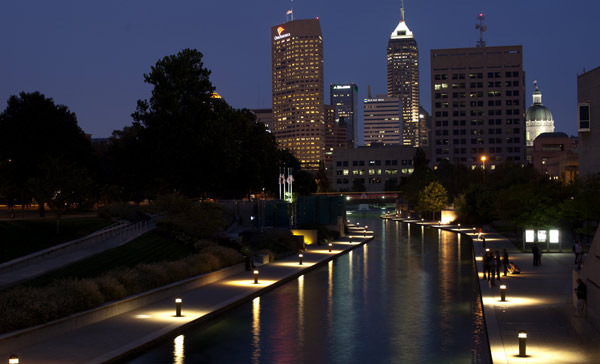
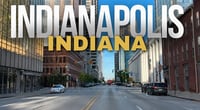
Downtown Indianapolis has a balanced distribution of finance, insurance, healthcare, sports, tourism, and technology industries, accounting for over 30% of Indiana's total GDP.
The economy of Indianapolis can be described as a "balanced urban industrial structure."
The largest sector is healthcare and life sciences. A large hospital complex is centered around the IU School of Medicine in downtown. Institutions like IU Health, Eskenazi (Hospr), and St. Vincent are so large that they attract patients from not only Indiana but also neighboring states. This has led to a concentration of medical research, pharmaceutical, and biotech companies, becoming a central axis for job creation. In fact, Indianapolis is considered one of the cities in the U.S. with the highest employment rate in healthcare.
Another noteworthy sector is the insurance and financial services industry. Major insurance companies like OneAmerica and Anthem (Blue Cross Blue Shield) are headquartered around Monument Circle in the downtown area. These large financial institutions cover the entire Midwest region, effectively making Indianapolis the insurance capital. Thanks to the strength of finance and insurance, jobs in the city are stable, and the housing market has maintained steady stability.
The logistics industry is also a pillar of the Indianapolis economy. Due to its geographical advantage in the center of the U.S., large logistics companies like FedEx, UPS, and Amazon have established major hubs in industrial complexes connected to nearby airports. Indianapolis International Airport ranks among the top 10 airports in the U.S. for cargo volume, which has led to active import and export-related businesses. The road traffic is also excellent, with major highways like I-65, I-70, and I-74 intersecting around the city, allowing for rapid logistics movement across the Midwest, earning it the nickname 'Crossroads of America.'
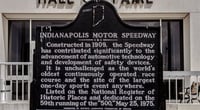
Sports and tourism also play a significant role in the downtown economy. The NBA's Indiana Pacers, NFL's Indianapolis Colts, and the annual Indy 500 race all enhance the city's reputation. During the sports season, downtown accommodations are fully booked, and restaurants, shopping malls, and cafes are bustling. According to Visit Indy statistics, the number of tourists visiting Indianapolis reaches 30 million annually, contributing approximately $6 billion to the local economy. Notably, the Indiana Convention Center and Lucas Oil Stadium are the largest venues for business events in the Midwest, frequently hosting national exhibitions and fairs.
The real estate market also reflects the vibrancy of the downtown economy. In recent years, urban redevelopment projects have been actively underway, leading to the construction of high-rise office buildings, apartments, and hotels. The median home price is about $300,000, which is lower than the national average, but demand continues to rise. Particularly, the influx of millennials and young professionals into the city has made the 'Live & Work' trend more pronounced. On weekends, it is common to see remote workers and freelancers working on their laptops in the café streets near Monument Circle.
Additionally, Indianapolis is emerging as a hub for tech startups. The eastern part of downtown and the nearby Broad Ripple area are densely populated with startup incubators and co-working spaces, with the government providing tax incentives and support programs for startups. New companies in software, data analytics, artificial intelligence, and medical technology are rapidly increasing, with the local startup network 'TechPoint Indiana' at the center of this growth.
In summary, downtown Indianapolis has evolved from a manufacturing-centered past into a complex economic city where healthcare, finance, logistics, tourism, and technology converge. This place, where the speed of a metropolis coexists with the stability of the Midwest, is recognized as a city where jobs and quality of life are harmoniously balanced.



 bada2002 |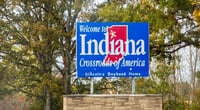
 Now or Never |
 U.S. Weather Bureau News |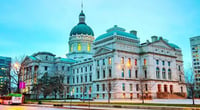
 Yellow Snowman |
 Tonky |
  viroma |
  cookie |
  Live and that's it |
  Alright Twain |
  eatontown blog |
  HAWAII Korean Church News |
  Amore |
  linex |
  Balancework |
  laro90 |
  MEDBIO American Doctor Blog |
  SWAT TEAM BLK |
  DREAM BIG |
  frostbite |
  330 Forever My Love |
  El Dorado |
  dralix58 |
  Gorama Round |
  Skydiving |