

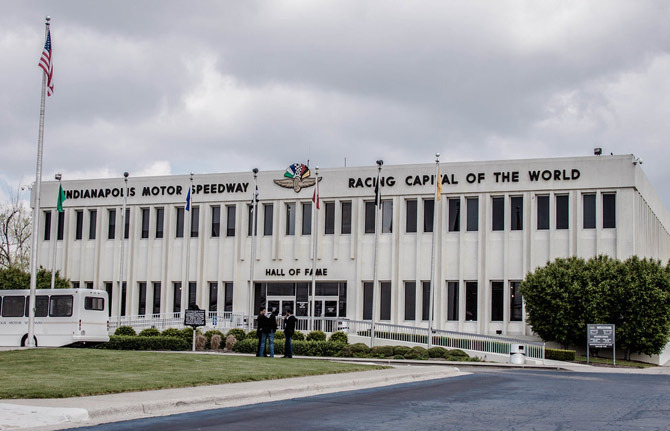
I visited the Hall of Fame Museum at the Indianapolis Motor Speedway in Indianapolis. You can feel the history of engines and human passion that has lasted for over 100 years. From the entrance, sparkling classic racing cars are lined up, and the smell of old oil fills the air.
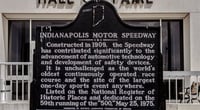
The speedway first opened in 1909. Initially, it was a track for testing automotive technology and new models, but as the races held here gained immense popularity, it soon grew into a global sports stage. The 'Indianapolis 500' held every May is considered one of the top three car races in the world, attracting over 400,000 spectators to this massive event. On race day, the entire city is filled with a festive atmosphere, and the area around the track is alive with campers, flags, and the sound of engines.
The Hall of Fame Museum is the place where you can see the history of this race at a glance. Upon entering the building, the first thing that catches your eye is the central hall displaying dozens of racing cars. Each car is marked with the label "Indy 500 Winner," and the winning vehicles from each era are lined up in chronological order. The early cars are simple yet intense, resembling silent mechanical monsters. The Marmon Wasp, which won the first race in 1911, is striking with its yellow body and black stripes, and it is also famous for being the first car to have a rearview mirror. The driver at that time wore only a leather cap and goggles while racing at nearly 100 miles per hour, which is truly admirable.
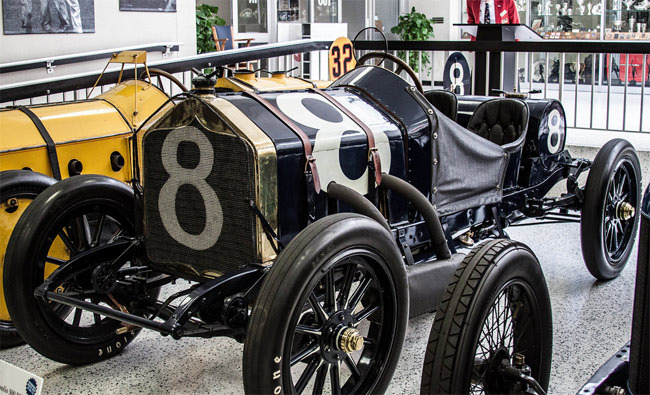
As you walk through the exhibition hall, following the progression of time, you can see the advancement of automotive technology.
From the front-engine cars of the 1930s to the rear-engine cars of the 1960s, speed increased, and the bodies became more aerodynamic. By the 1980s, IndyCars equipped with turbocharged engines emerged, leading to a speed battle exceeding 230 miles per hour. Photos of drivers representing each era are displayed on the walls, with names like Mario Andretti, A.J. Foyt, and Richard Petty prominently featured. Their helmets, racing suits, and trophies are on display, and in some exhibition areas, parts of cars damaged in actual accidents remain. The crumpled metal marks silently testify to the fierce competition among racers.
Inside the museum, there is a 'Racing Simulator Zone.' You can sit in a simulator modeled after a real IndyCar and experience the track, where the moment you press the accelerator, a strong vibration is transmitted, making you feel as if you are participating in a real race. The sound of tire friction from the speakers as you navigate the corners adds to the realism, and by the time you complete a lap, you are so immersed that your hands may be sweating. There is also a separate experience area for children, making it very popular among family visitors.
In the early 20th century, despite the dangers of engines exploding and tires bursting, racers raced on the track driven by their desire for speed. Thanks to their challenges, automotive technology rapidly advanced, and the safety features and engine efficiency of the cars we drive today were built upon their spirit of experimentation.
As you exit the museum, the actual race track unfolds right next to you. It is one of the oldest paved race tracks in the world, measuring about 2.5 miles (4 km), and the most famous corner is known as the 'Brickyard.'
Originally, the entire track was paved with bricks, but now most of it is covered with asphalt, leaving only a symbolic brick section about 1 meter wide near the starting line. Many fans take photos here, striking a pose known as the "Brickyard Kiss." This tradition stems from racers kneeling and kissing this brick line when they win a race.
The Indianapolis Motor Speedway Hall of Fame Museum is not just a car exhibition hall; it is a space that fully captures the history created by human technology and passion.
By the time you finish viewing the exhibits, you will have plenty of photos to post on Instagram and a sense of having had a great experience.
The admission fees for the Indianapolis Motor Speedway Museum are as follows:
-
Adults: $25
-
Seniors (55 and older): $23
-
Military (active and reserve): $18
-
Youth (ages 6-16): $18
-
Children under 5: Free




 bada2002 |
 Now or Never |
 Yellow Snowman |

 Tonky |
  viroma |
  cookie |
  Live and that's it |
  Alright Twain |
  eatontown blog |
  HAWAII Korean Church News |
  Amore |
  linex |
  Balancework |
  laro90 |
  MEDBIO American Doctor Blog |
  SWAT TEAM BLK |
  DREAM BIG |
  frostbite |
  330 Forever My Love |
  El Dorado |
  dralix58 |
  Gorama Round |
  Skydiving |