

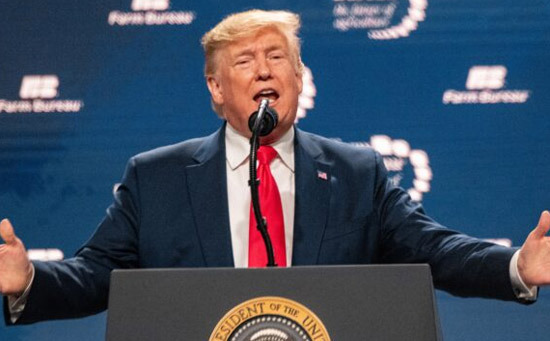
The US and Iran have effectively agreed to a 2-week ceasefire along with the opening of the Strait of Hormuz.
The tension that could have escalated into full-blown conflict has eased for now. The key aspect of this agreement is not just a ceasefire, but ensuring the safe maintenance of the Strait of Hormuz, a crucial passage for global energy supply.
Since a significant portion of the world's crude oil transportation passes through this strait, the decision to open it can greatly impact international oil prices.
This action was initiated by President Donald Trump's announcement. President Trump stated that Iran would cease attacks for 2 weeks on the condition that the Strait of Hormuz is opened immediately and safely. In response, Iran officially confirmed that it would halt military actions if the US also stopped its attacks. Both sides have taken a step back simultaneously.
However, Iran's stance is much more hardline. The Iranian Supreme National Security Council claims that the US has accepted all 10 points of the peace proposal presented by Iran.
This proposal includes the lifting of sanctions against Iran, recognition of nuclear enrichment activities, withdrawal of US combat troops from the Middle East, termination of UN and International Atomic Energy Agency-related resolutions, and compensation for war damages. Iran has described this as a "significant achievement."
In contrast, the US views this agreement not as a complete peace settlement but as a temporary pause for negotiations.
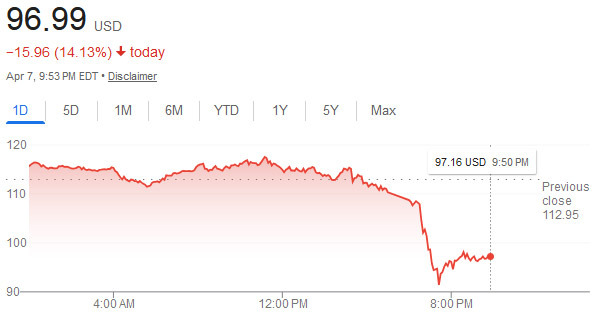
Meanwhile, as news of the US and Iran's effective agreement on a 2-week ceasefire and the opening of the Strait of Hormuz spread, international oil prices immediately fell.
West Texas Intermediate (WTI) crude dropped to around $94 per barrel, and Brent crude also fell to just above $90.
The market seems to have reacted more to the stability of maritime routes than to the easing of military tensions.
Iran has also expressed a similar stance, emphasizing that it will not officially accept the end of the war until all conditions are finalized. They have also stated that they are prepared to respond immediately to any variables during the negotiation process, making it clear that tensions have not been completely resolved.
Future negotiations are scheduled to take place in Islamabad, Pakistan. The Iranian leadership plans to finalize a political agreement through additional negotiations within about 10 days. There is also mention of the possibility of extending the negotiation period up to the 15th.
Ultimately, this 2-week ceasefire is more about securing time for serious negotiations rather than a simple "declaration of peace." Given the potential impact on international oil prices, the situation in the Middle East, and the global economy, the outcome of future negotiations could lead to rapid changes. Whether this agreement leads to long-term stability or a return to heightened tensions will likely hinge on the next 2 weeks.






 novapixel |
 NEXT ROUND |
 Encyclopedia of New York and Surrounding Areas |
 washington mom |
 California Dreamer |
 Holey Moley |
 Cool Beach Freeway |
 Another Eden Channel BLOG |
 Washington Denzel DJ |
  USA Business News |
  Samsung My My |
  bubblo |
  tartbear |
  Washington Monument |
  Forever Young |
  crystalx |
  Spaghetti Flying Religion |
  lunarpath |
  sprinkletop |
  bongo |
  savannah choi |
  Successful Manager Kim's Team |
  crystalo |
  Canvas Pro Blog |
  Time Management Enthusiast |
  Cap Com |
  nixxon |
  kevin Kim |