

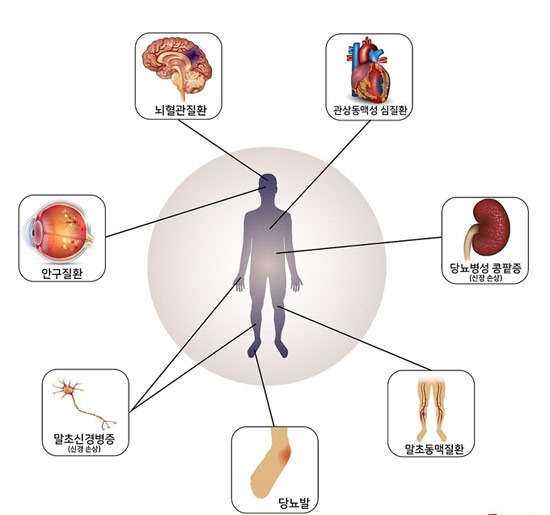
The reason diabetes is frightening is that it is not just a disease that raises blood sugar levels, but a chronic condition that silently damages the entire body. If diabetes persists for a long time, blood vessels weaken, affecting the eyes, kidneys, nerves, and heart. Vision deteriorates, kidney function declines, hands and feet may feel numb or lose sensation, and the risk of heart attack or stroke increases.
When people think of diabetes, they often associate it with eating too many sweets, but in reality, various signals from the body start to appear gradually in daily life. The problem is that these signals are so common that they are often overlooked.
It is easy to mistake them for just being tired, stressed, or a result of aging. However, if these 'ordinary symptoms' keep recurring, it may be a warning that the body's ability to regulate blood sugar is already starting to fail.
The most representative early symptom is thirst. No matter how much water you drink, your mouth feels dry, and many people wake up at night feeling thirsty. This is because as blood sugar rises, the body tries to expel sugar through urine, which leads to a loss of water.
As the body loses moisture, thirst intensifies, leading to increased water intake and a vicious cycle of frequent bathroom visits. Another signal emerges here. If you find yourself needing to urinate more often than usual, especially waking up multiple times at night to go to the bathroom, it may be time to suspect high blood sugar.
Another thing to pay attention to is fatigue. If you feel heavy and lack energy even after getting enough sleep and rest, it is a warning sign. When blood sugar is high, sugar circulates in the blood but the cells cannot properly use the energy they need. It is like the body is experiencing a situation where "there is plenty of fuel outside, but it is not being supplied to the engine," leading to constant fatigue. Therefore, people with progressing diabetes often feel tired without exercising and easily lose energy during daily activities.
Changes in appetite and weight should also be noted. If sugar is not being used properly, the body mistakenly feels it is lacking energy, leading to increased hunger. This can result in eating more, yet paradoxically, weight loss can occur. The situation of eating more but losing weight itself signals that the body is "not utilizing energy well." Conversely, there are cases where weight suddenly increases even with normal or reduced food intake. This is because if blood sugar is not properly managed, fat tends to accumulate.
The condition of the skin and the speed of wound healing also provide important clues. If wounds do not heal easily, or if the skin becomes increasingly dry and itchy, it may be evidence that high blood sugar is impairing blood circulation and immune function. Special attention should be paid if these changes occur in the feet or legs.
Blurred vision is also a common early symptom. When blood sugar rises, the fluid state around the eyes can change, temporarily causing blurriness. Before thinking, "Do I need to increase my glasses prescription?" it is more accurate to check your blood sugar levels.
These signals usually do not appear suddenly; they tend to come gradually, sometimes reappearing after having passed. Therefore, it is easy to overlook them, but the recurring discomfort in daily life is the real danger signal.
Diabetes does not develop overnight. It slowly erodes the body amidst poor lifestyle habits and accumulated stress. Therefore, when recognizing these early symptoms, the most important thing is not to immediately reduce the foods you want to avoid, but to reflect on your entire lifestyle.
Adequate sleep, regular exercise, reducing excessive sugar intake, and regular blood sugar checks are all essential. Small but consistent habits are the most effective and realistic way to prevent diabetes.
Now, not ignoring the small signals your body sends is the beginning of making healthy choices.






 Weekend Movie Blog |
 Beauty, Health, Lifestyle Blog |
 coloradoman |
 Superman Cat Blog |
 Blogging with a Heart Like the Sun |
  yentra |
  Make My Day |
  Victory 1988 |
  Tonky |
  viroma |
  cookie |
  Live and that's it |
  Alright Twain |
  eatontown blog |
  HAWAII Korean Church News |
  Amore |
  linex |
  Balancework |
  laro90 |
  MEDBIO American Doctor Blog |
  SWAT TEAM BLK |
  DREAM BIG |
  frostbite |
  330 Forever My Love |
  El Dorado |