
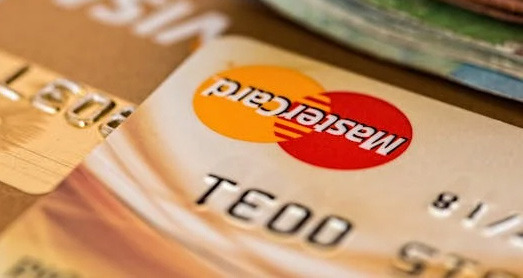
Credit cards are an essential part of modern life, but their history is not as long as one might think.
When they first appeared, they were simply a credit-based transaction tool, but now they have become a cornerstone of the global financial system. Let's explore how credit cards began and how they have evolved.
The Early Concept of Credit Cards: 19th Century Credit Systems
- The precursor to modern credit cards dates back to the late 19th century.
- At that time, stores and hotels applied the concept of "pay after purchase" based on customer credit.
- Customers entered into direct credit transactions with stores and paid off debts regularly.
The First Credit Card: 1920s-30s
- 1920s: Gas stations and hotels in the United States began issuing their own credit cards.
- These cards were closed-loop cards that could only be used at specific companies or chains.
- 1930s: Banks and large corporations issued "charge cards" in the form of metal plates to customers, which can be considered the precursor to modern credit cards.
The Birth of the Diners Club Card: 1950
- The first modern credit card appeared in the United States in 1950.
- After Frank McNamara faced difficulties due to lack of money at a restaurant in New York, he recognized the need for a convenient payment method and developed the Diners Club card.
- The Diners Club card was initially usable only at restaurants but later expanded to hotels and stores.
- This card operated on the concept of a charge card that required full repayment after use.
The Start of BankAmericard and Visa: 1958
- In 1958, Bank of America in California launched the BankAmericard.
- This card gained immense popularity as it could be used at various places, not just specific stores.
- BankAmericard later changed its name to Visa and became a leader in the global payment system.
The Emergence of MasterCard: 1966
- Several regional banks united to establish the "Interbank Card Association (ICA)" which later evolved into MasterCard.
- MasterCard, along with Visa, led the market by building an international credit card network.
Magnetic Stripe Cards and Technological Innovations: 1970s-80s
- 1970s: The introduction of magnetic stripes on cards made credit card usage more convenient and secure.
- 1980s: With the connection to electronic payment systems, real-time approvals and payments became possible.
Chips and Contactless Payments: 1990s-Present
- 1990s: EMV chips were added to credit cards, enhancing security.
- 2000s: The introduction of mobile payments and contactless payment technology (NFC) improved usability.
- Digital wallet services like Apple Pay and Google Pay have established themselves as alternatives or complements to credit cards.
The Present and Future: Continuous Innovation
- Today, credit cards offer various features beyond simple payment methods, including point accumulation, travel benefits, and insurance.
- New forms such as digital cards and cryptocurrency-linked cards continue to evolve the credit card landscape.
Credit cards began as simple credit payment tools about 100 years ago and have now established themselves as a cornerstone of global finance.







 Peter Pan Pet |

 Nuchuhan Exploration BLOG |
 Sugar Cream Door Bulletproof Noodles |
 Moscow Kim |
 Tonky |
  viroma |
  cookie |
  Live and that's it |
  Alright Twain |
  eatontown blog |
  HAWAII Korean Church News |
  Amore |
  linex |
  Balancework |
  laro90 |
  MEDBIO American Doctor Blog |
  SWAT TEAM BLK |
  DREAM BIG |
  frostbite |
  330 Forever My Love |
  El Dorado |
  dralix58 |
  Gorama Round |
  Skydiving |