
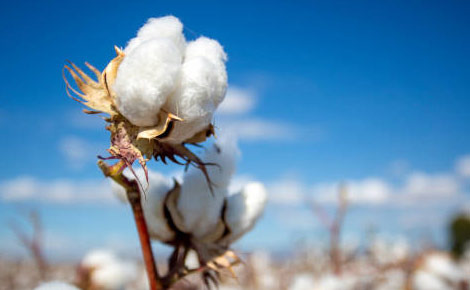
Georgia is one of the leading cotton producing states in the U.S., where cotton plays an important role in the agricultural economy. Cotton cultivation is an industry deeply rooted in the state's history and economic development, and it continues to have a significant impact on local communities and the economy.
Historical Background
Cotton cultivation in Georgia began in the late 18th century, and especially after Eli Whitney invented the cotton gin in 1793, industrialized cotton farming rapidly expanded. From this point, Georgia established itself as the center of the "King Cotton" of the South, and cotton became a major export item for the state.
Current Status of the Cotton Industry
Production:
Georgia is one of the second largest cotton producing states in the U.S., following Texas, producing millions of bales of cotton annually. This accounts for about 10-15% of the total cotton production in the U.S.Main Cultivation Areas:
Cotton is grown throughout Georgia, but the southern and central regions are considered the main production areas. Dougherty, Tift, and Mitchell counties are particularly known as centers of cotton production.Varieties:
The cotton produced in Georgia is primarily Upland Cotton, which has shorter fibers but is durable, making it suitable for clothing and textile production.
Cotton Cultivation Environment
Climate and Soil:
Georgia's warm climate and fertile soil are ideal for cotton cultivation. Planting begins in the spring, grows during the summer, and is harvested in the fall.Water Management and Technology:
Farmers in Georgia are utilizing precision irrigation systems, data-driven agricultural management, and drone technology to enhance productivity and optimize water usage.
Economic Importance
Exports:
Cotton produced in Georgia is exported not only domestically but also to international markets such as China, Vietnam, and Turkey. This constitutes a significant portion of the state's agricultural exports.Job Creation:
The cotton industry provides tens of thousands of jobs in cultivation, processing, transportation, and related services.Industry Connectivity:
Cotton is used in the production of clothing, textiles, and seed oil, and related manufacturing and processing industries have also developed.
Sustainable Agriculture
The cotton industry in Georgia focuses on environmental protection and sustainability. Eco-friendly pesticide use, soil conservation techniques, and water-saving practices are being implemented to prepare for future climate change and resource scarcity issues.
Outlook
The cotton industry in Georgia has historically played an important role and is expected to maintain its significance through technological innovation and sustainable practices. With the increasing demand in the global market, there is a focus on producing high-quality cotton to enhance competitiveness.







 Cherokee Rose |

 Dingho and USA News |
 Let's Be Like a Salt-like City Person |
 Gimmi207 Blog |
 moonshine 7 |
  vibranto |
  Tora Tora |
  yellowbutter |
  Dolly |
  US Embassy |
  NYC saladbar |
  Finding Superfoods |
  lightyear |
  song bang |
  vexomo |
  Indiana Jones |
  meloncat |
  novapixel |
  mortrix |
  Esther 1983 |
  fortbliss |
  Moscow Kim |
  My Two Way |
  toastyfox |
  FLORIDA Acus |