
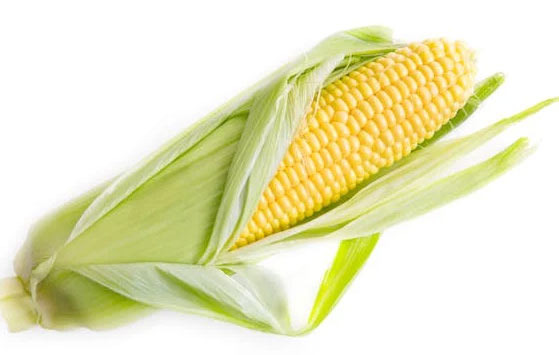
Georgia plays an important role in corn production in the United States. This state is located in the southeastern U.S. and offers climate and soil conditions that are suitable for corn cultivation. Georgia's mild climate and high summer temperatures allow corn to thrive, providing ample sunlight during the growing season.
- Main production areas: In Georgia, corn is primarily grown in the southern and central regions. Large-scale corn farming occurs especially in Middle Georgia and Southwest Georgia.
- Main uses: Corn produced in Georgia is utilized for various purposes including food, animal feed, and industrial uses. It is particularly used as feed for cattle and pigs, and is an important raw material for ethanol production.
Current Status of Corn Farming in Georgia
Corn farming in Georgia takes place on millions of acres each year. Corn has established itself as the second most important food crop in Georgia's agriculture, and according to statistics from the U.S. Department of Agriculture (USDA), Georgia is one of the top states for corn production in the U.S.
Corn farming in Georgia is primarily conducted on a commercial scale, with many large farms. Mechanization is prevalent in corn farming, and modern agricultural technologies and machinery are widely used. This has led to increased productivity and improved quality of corn.
Characteristics of Georgia Corn
The corn grown in Georgia benefits from the hot and humid climate, allowing it to grow quickly and yield abundant harvests. In addition to being consumed as food, Georgia corn is widely used as animal feed. The corn produced in Georgia is regarded as high-quality grain, which has created a significant market for feed.
Additionally, corn processing for ethanol production is actively taking place in Georgia. The agriculture in this region is closely linked to the energy industry, and the role of corn in producing green energy is becoming increasingly important.
Economic Impact of Corn Farming
Corn agriculture in Georgia plays a very important role in the agricultural economy. Corn farming not only generates direct agricultural income but also significantly impacts related industries. The development of industries related to agricultural machinery, feed, fertilizers, and pesticides stimulates the local economy.
- Exports: Corn produced in Georgia is exported not only within the U.S. but also globally. Corn is particularly exported for feed, and Georgia's corn production has a significant influence in the global market.
- Ethanol production: Georgia is an important corn supply region for ethanol production, which is used as a clean fuel. Corn farming in Georgia is a crucial part of renewable energy.
Challenges in Corn Farming
Corn farming in Georgia faces several challenges, including climate change and natural disasters. Natural disasters such as droughts and hurricanes can significantly impact corn production. These environmental factors affect agricultural productivity and can impose economic burdens on farmers.
Additionally, issues such as labor shortages in agriculture and the adoption of environmentally friendly agricultural technologies remain challenges to be addressed. Recently, efforts are underway to solve these problems by introducing smart agricultural technologies and eco-friendly farming methods.
Georgia plays a very important role in corn production in the U.S. This region, which cultivates high-quality corn on a large scale, forms a crucial foundation in the agricultural economy and contributes to various fields such as food, animal feed, and ethanol production. Despite challenges such as climate change and resource management, corn farming in Georgia remains a vital pillar of agriculture, significantly impacting U.S. agriculture and the global market.
Corn is an important crop in Georgia, and is the third most widely grown row crop in the state: Georgia is the third largest producer of fresh market sweet corn in the United States. In 2022, Georgia farmers harvested 66.8 million bushels of corn, a 22 million bushel increase from 2017.
Georgia corn is primarily used for animal feed and to contribute to the regional poultry, dairy, and ethanol industries.
Growing regions
Most corn production in Georgia takes place in the southern counties.
Growing seasons
Georgia has two growing seasons for sweet corn, with spring yields typically higher than fall yields.
Harvest
Sweet corn is harvested over a 3-day window. The most desirable grade is U.S. Fancy, which requires ears to be over 6 inches long with a blank tip that's less than one-quarter of the ear length.
Soil management
Good soil management practices include protecting the soil from erosion, providing a weed-free seedbed, and disrupting compacted layers.
Resources
The Georgia Corn Production Guide provides management recommendations, decision-making tools, and other resources. The UGA Cooperative Extension also offers programs and services to help farmers with corn production.








 moonshine 7 |
 Let's Be Like a Salt-like City Person |
 Dingho and USA News |
 Korea Tiger News |
 Tonky |
  viroma |
  cookie |
  Live and that's it |
  Alright Twain |
  eatontown blog |
  HAWAII Korean Church News |
  Amore |
  linex |
  Balancework |
  laro90 |
  MEDBIO American Doctor Blog |
  SWAT TEAM BLK |
  DREAM BIG |
  frostbite |
  330 Forever My Love |
  El Dorado |
  dralix58 |
  Gorama Round |
  Skydiving |