

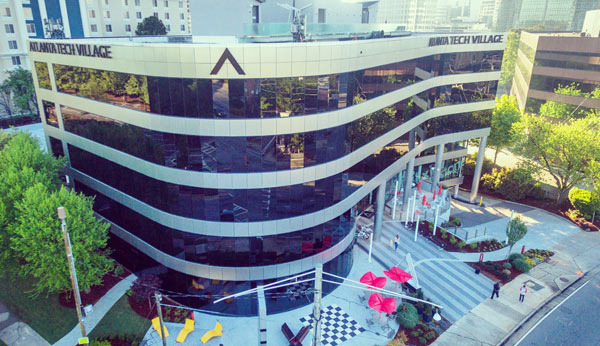
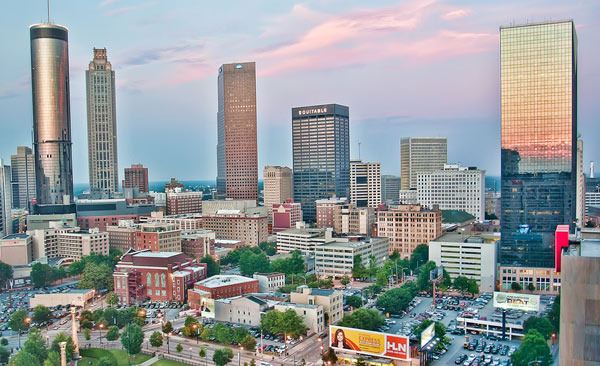
Atlanta is emerging as a new center for the U.S. tech industry. While it may not have the same level of public recognition as Silicon Valley or New York, it is recognized as one of the top cities in the U.S. for its competitiveness in specialized fields such as fintech, cybersecurity, healthtech, and logistics technology.
In particular, its influence in the payment technology sector is unparalleled, with statistics showing that about 70% of payment processing transactions in the U.S. are conducted through companies headquartered in Georgia, earning it the nickname 'Transaction Alley.' Major payment companies like Global Payments, FIS, and NCR Voyix are all based in this region.
The heart of Atlanta's tech ecosystem is 'Tech Square' in Midtown. This area, adjacent to the Georgia Tech campus, has established itself as an innovation cluster with incubators, accelerators, startup offices, and corporate R&D centers concentrated in one location.
Many Fortune 500 companies have set up innovation centers here to conduct research on next-generation technologies such as artificial intelligence (AI), cybersecurity, and mobility, with Google, NCR, Cardlytics, and Delta Air Lines Innovation Lab among the tenants. Recently, Microsoft and Visa have also expanded their large bases in Atlanta, joining the competition for talent.
The infrastructure for the startup ecosystem is also robust. The Advanced Technology Development Center (ATDC), operated by Georgia Tech, is one of the oldest university-based startup incubators in the U.S. and serves as a focal point for the Georgia tech startup ecosystem. Invest Atlanta, the economic development agency operated by the city of Atlanta, offers multi-layered programs such as funding, tax incentives, and space support for early-stage startups and small businesses. The venture capital (VC) ecosystem is also rapidly growing, with TechSquare Labs, BIP Capital, Noro-Moseley Partners, and Atlanta Ventures actively investing in local startups.
The presence of Korean tech talent is also gradually increasing. The computer science department at Georgia Tech is noted for having a high percentage of Korean international students and second-generation Koreans, with a steady rise in graduates settling in the area.
Networking groups like K-KOIN (Korean in Computing and Innovation) hold regular meetings, share job information, and run mentoring programs to strengthen community ties.
Additionally, major Korean corporations such as Samsung, Hyundai Motor Group, LG, and SK have established their U.S. subsidiaries and partner technology departments in Atlanta and the surrounding areas, leading to a steady demand for engineers who speak Korean and have work experience in both Korea and the U.S.
In particular, the operation of Hyundai Motor Group's Georgia Metaplant (HMGMA) and the battery joint ventures of SK On and LG Energy Solution has significantly increased the demand for software engineers related to automotive and battery technologies.
The appeal of Atlanta has further increased with the normalization of remote work. The ability to enjoy salaries comparable to those in New York or San Francisco while facing living costs that are 30-40% lower is a key driver for attracting tech talent.
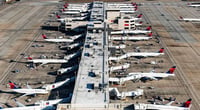
Georgia's top personal income tax rate is 5.39%, significantly lower than California's (13.3%) or New York's (10.9%), making it advantageous for high-income tech workers in terms of disposable income. With Hartsfield-Jackson Atlanta International Airport, the world's largest hub, the business travel infrastructure is also top-notch.
Industry insiders describe Atlanta's tech scene as a "city entering a growth phase."
Unlike the saturated markets of West Coast cities, the barriers to entry are lower here, and there are relatively abundant career growth opportunities, making it an attractive strategic option for Korean tech talent.
 NoodleDrone
 BaguetteTank
 LoudSilence




 Investment Campus Home Ownership |
 U.S. Retirement Pension Information |
 California Dreamer |
 NEXT ROUND |
 Strawberry Candy Smoothie |
 Always Atlanta |
 SPACE SHIP |
 SAY YOU SAY ME |
 Bearded Strawberry Smoothie |
  Mr Cleveland |
  Sugar Cream Door Bulletproof Noodles |
  novapixel |
  lavender |
  macan 08 |
  Goroke Geureoke News |
  colo colo |
  U.S. Weather Bureau News |
  Dragon Lee |
  American Food Information & Calories |
  zephyrs |
  ness 6 |
  Montgomery Mom |
  SteelOrbit |
  Puddle Puddle |
  Arizona Cowboy |
  macaronpop |
  marydock |
  peachpanda |
  U.S. College Admission Information |