

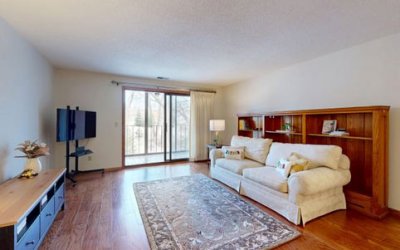
Due to its title as a college town, many view Iowa City real estate solely through the lens of rental income. However, in recent years, noticeable price disparities between neighborhoods have emerged, indicating that the nature of investment can vary significantly depending on where one buys.
Manville Heights, close to the University of Iowa, has long been established as a neighborhood for professors and professionals, with single-family home prices ranging from $450,000 to $600,000. In the past year or two, the availability of listings has decreased, leading to a gradual upward trend in prices.
The Northside and Gustown areas have many older homes, with transactions commonly occurring in the low to mid $300,000 range. Properties with remodeling potential frequently come onto the market, suggesting steady demand from buyers looking for both residence and value appreciation.
The Peninsula area, currently undergoing new development, is being shaped into a planned community, with transactions reported between $350,000 and $450,000. While recent trends have been relatively stable, the increase in new construction listings suggests that future price movements should be monitored. The adjacent Coralville offers relatively lower prices, ranging from $250,000 to $330,000, making it a viable option for budget-conscious residents and small investors.
- Manville Heights: $450,000–$600,000, gradual increase
- Northside/Gustown: low $300,000s, remodeling demand
- Peninsula: $350,000–$450,000, stable
- Coralville: $250,000–$330,000, relatively low price
From an investment perspective, the border area between Peninsula and Coralville is worth noting. With improvements in school districts and the establishment of small commercial facilities, there is potential for a broader rental demand base in the medium to long term. However, this is a cautious observation based on current trends, and if development schedules are delayed, the anticipated price increases may not materialize.
In terms of rental yield, small units near the university continue to perform well. Vacancy rates tend to remain low during the academic year, with total rental yields reported at around 6% to 8%, which is considered respectable for a Midwestern college town. However, the seasonal risk of increased vacancies during the summer break should also be taken into account.
Risk factors include a high dependence on student demand and the possibility that a surge in new apartment supply at a specific time could slow rental price increases. For Korean households, considering both school district quality and access to the university community, prioritizing Manville Heights or Northside for residence and looking at properties near Coralville for investment could be a viable strategy.
 CertGems
 SojuBoy





 ultron78 |
 garlic bread |

 urbanmint |
 |
| 
 Iowa Egen Aunt |


 Iowa School News |
 U.S. Weather Bureau News |
  meloncat |
  novapixel |
  mortrix |
  Esther 1983 |
  fortbliss |
  Moscow Kim |
  My Two Way |
  toastyfox |
  FLORIDA Acus |
  tracker |
  TONTON COFFEE |
  sunrise |
  uplifted |
  Folding Instructions |
  same same life |
  USA Hyundai Kia |
  morvex37 |
  BOL SA RAM |
  TOUCHE NEWS |