

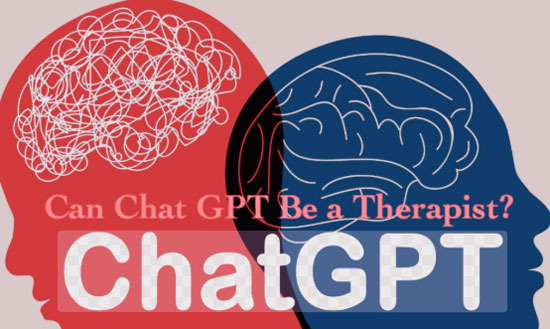
I believe we are entering an era where humans rely on AI for mental support.
When we see the rise of AI counseling like ChatGPT, everyone wraps it up by saying, "It's convenient to use," but I think the greater desire is to have at least one emotionally safe space. It's because when you talk to a real person, you have to deal with their tiring reactions, disappointment, and sarcasm.
The first charm of AI counseling is undoubtedly 'immediate comfort'. When you fight with a partner and are on your way home, or when you receive a hurtful comment from your boss, or when anxiety about the future hits you in the early hours, contacting a friend can be a burden, and professional counselors are already off work. AI fills that gap. In just one second, a chat window opens, and with an unwavering tone, it acknowledges, "You are really struggling right now," making it an addictive source of comfort.
The second is the comfort of 'zero emotional energy'. When you confide in a person, you have to consider their feelings, so you end up worrying about everything, and you have to weigh whether your words were heavy or light. AI doesn't have that. It doesn't get tired, it doesn't drain emotional energy, and it doesn't feel hurt. People become incredibly honest here and pour out feelings they could never express in reality.
In fact, there are benefits to this. The process of explaining your worries to AI becomes a task of organizing emotions into words. Humans have a structure where the intensity of emotions drops significantly the moment they are articulated. When emotions become sentences, they are organized, and the feelings that were about to explode are calmed down. Moreover, AI is always neutral, helping to view emotional issues like breakup worries, career choices, and interpersonal conflicts in a structured way.
However, the problem lies in the side effects.
The first is 'relationship replacement'. AI never hurts you and never makes you uncomfortable. The issue is that the small frictions, adjustments, and conflict resolutions that are essential in human relationships may atrophy. When the moment comes to confront a real person, it becomes overwhelming, and ultimately, relationships become thinner, and loneliness deepens. If the illusion that "AI always understands me" is layered on top, emotional dependency progresses very naturally.
The second is 'reality avoidance'. AI is kind, understanding, and listens well. The problem is that this is too much of a "warm unreality". Real problems ultimately need to be addressed in reality, but if you only confide in AI and receive comfort, your actions come to a halt. Falling into the illusion that nothing has changed but your heart feels slightly better can lead to greater despair later on.
The third is 'misunderstanding of complexity'. AI is text-based and cannot accurately read human expressions, subtle tones, nuances, or relationship histories. Therefore, while advice may seem partially correct, there are cases where it is slightly twisted overall. If this is repeated, there is a risk of misjudging reality.
In the end, I think AI counseling can be seen as a cost-effective mental first aid tool.
However, if you cling only to this, relationships weaken, real actions stop, and loneliness worsens, creating a counterproductive effect. Ultimately, the balanced conclusion is this: AI is merely a 'tool', and life is ultimately created through connections with people.







 neroyo |
 nivex85 |
 Old English |
 nixxon |
 LIZ Legal Information Blog |
 August Snowman |
 US 210 Kim Sangsa |
 Mental Health Psychiatrist |
 Gupabal MissKorea |
 Texas Migration Story |
  Korean Mom |
  My NYC |
  moo moo |
  Mr Oh |
  forevergee |
  festival |
  manchester |
  constant |
  Leapfrog Move |
  vibranto |
  Tora Tora |
  yellowbutter |
  Dolly |
  US Embassy |
  NYC saladbar |
  Finding Superfoods |
  lightyear |
  song bang |
  vexomo |
  Indiana Jones |