

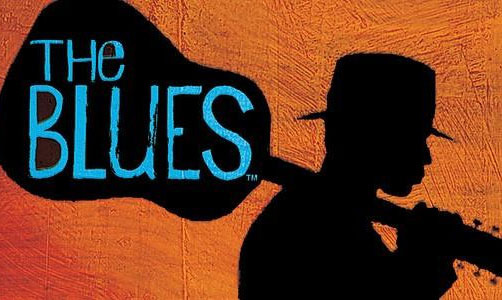
When you think of blues, do you only picture couples embracing and dancing?
However, that is just an image that developed later; originally, blues was music that expressed sorrow and frustration directly.
In the past, African Americans in the United States sang to express their feelings while enduring poverty and discrimination, and that resonance became known as blues. Thus, the name itself is said to come from meanings associated with sadness and melancholy.
There was also a call and response format, where one person would sing and instruments or other vocalists would respond, which can be seen not just as a musical technique but as a way of life where people relied on each other.
If you think of blues as just strumming a guitar and singing sadly, that's a misunderstanding. It has unique forms like the 12-bar structure, blue notes, and shuffle rhythms, which may seem simple but reveal depth when you listen.
Blue notes are slightly bent notes that resonate deeply, stirring the heart. Shuffle rhythms flow with a thick beat, making your heart follow along just by listening.
And while many might think only Delta blues or Chicago blues are famous, Indiana also played a quietly significant role. Areas like Indianapolis and Gary had active Black communities, and jazz and blues naturally blended to create a unique atmosphere.
Especially in the 1930s to 50s, musicians active in Indiana moved to Chicago, greatly influencing the development of Chicago blues into a more refined sound. Although not widely known, it played a crucial bridging role.
Later, legends like Muddy Waters, B.B. King, and John Lee Hooker emerged, and among white musicians, famous players like Eric Clapton and Stevie Ray Vaughan gained immense popularity based on blues. Bands like the Rolling Stones and Led Zeppelin actually created music rooted in blues, which has been a significant foundation for genres like rock and roll, hard rock, hip hop, and soul.
However, at the time, this music was criticized as 'decadent.' There were prejudices dismissing it as Black music, and if the lyrics contained secular expressions, it caused even more uproar.
As seen in the movie Ray, there was a perspective among Black people that "spirituals are noble, but secular rhythms are vulgar," and white broadcasters would frown upon blues performers. Ironically, later, music that followed this style came to dominate popular music.
Ultimately, blues is not music created by someone living comfortably, but a culture that expressed the true voices of those enduring hard lives. Some blues musicians disappeared without leaving a single record, only to be reevaluated years later.
It is remarkable that the music of the weary and marginalized became the foundation of global popular music. Thus, when listening to blues, it feels like more than just a simple melody; it brings forth the stories of living people.







 bada2002 |
 Now or Never |
 Yellow Snowman |

 Indiana Jones |
  laro90 |
  MEDBIO American Doctor Blog |
  SWAT TEAM BLK |
  DREAM BIG |
  frostbite |
  330 Forever My Love |
  El Dorado |
  dralix58 |
  Gorama Round |
  Skydiving |
  dreamport |
  Toaster Pizza Magic Show |
  velvetnom |
  Anytime Journey |
  Mrs. Duluth |
  jaxter |
  Atlanta Mama |
  Baguette Blog |
  Tan Sol |