

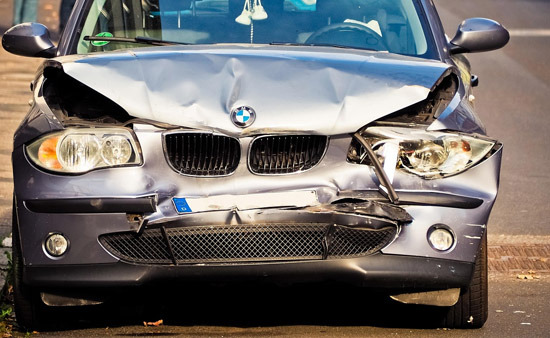
Sometimes when driving, I wonder what happens if I rear-end the car in front of me.
In fact, such incidents can happen to anyone. A moment of distraction or a delayed braking response can easily lead to a collision.
However, in the U.S., the process of handling an accident can be more complicated than expected. So, here are some basic things to keep in mind.
First, consider the possibility of criminal charges. Most minor rear-end collisions often end up as traffic violations (citations) rather than criminal cases. For example, you might receive a ticket for following too closely. This usually results in a fine or points on your driving record.
However, in certain situations, it could escalate to a criminal issue. Notable examples include:
- Driving under the influence
- Reckless driving
- Cases involving serious injuries
- Leaving the scene of the accident (hit and run)
In these cases, it may be treated as a criminal matter rather than just a traffic accident. Particularly in Washington State, leaving the scene of an accident is taken very seriously.
The second point is exchanging insurance information. In the U.S., it is common to exchange insurance details after an accident. Typically, the following information is shared:
However, there is no need to provide excessive personal information. For instance, you should never give out your Social Security number. Usually, when the police arrive, they will compile the necessary information for the accident report.
The third point is the possibility of civil lawsuits. In the U.S., civil lawsuits can arise after an accident. This is especially true if the other party claims injuries in addition to vehicle repair costs. They may demand medical expenses and compensation for issues like neck or back pain. In such cases, insurance companies typically respond through lawyers.
That's why U.S. auto insurance includes liability coverage. This covers the costs of the other party's vehicle repairs and injury expenses. In Washington State, having at least minimum liability insurance is mandatory.
The fourth point is regarding luxury car accidents. If the car in front of you is a luxury vehicle worth $200,000, your worries may increase instantly. However, in most cases, individuals do not bear that cost directly. Usually, insurance handles it. The exception is when your insurance coverage limit is low.
For example, if your liability limit is $50,000 but the damage to the other vehicle is $120,000, you may be personally responsible for the amount not covered by insurance. Therefore, in the U.S., it is often recommended to have liability insurance of $100k / $300k or higher.
Accidents occur more frequently than one might think while driving in the U.S. However, in most cases, they are resolved through insurance and procedures.
When a rear-end accident occurs while driving in the U.S., many people say "I'm sorry," but from a legal perspective, it is often advised to avoid expressions that could imply responsibility.
The reason is that it can be difficult to determine who is truly at fault immediately after an accident. Phrases like "I'm sorry, it was my fault" could be interpreted as an admission of liability in future insurance claims or civil disputes.
Therefore, it is generally recommended to respond in the following way after an accident: first, check if the other party is injured, call the police if necessary, and calmly exchange insurance information. Instead of emotionally apologizing, it is better to check the situation with a simple "Are you okay?"
In other words, even if you feel genuinely sorry, it is common advice in the U.S. to avoid making definitive statements about responsibility at the scene of the accident.




 Valley Hong |
 Mr Oh |
 ollege Mom |
 Helpful Life Stories |
 prixon74 |
 Seattle - Emerald City |
  corner kick |
 bluebird |

 Sky Way |
  Top Beaches |
  folyfoly |
  ground |
  averagestudent |
  hot chocolate |
  SODA MAKER |
  james kim |
  All About Cars |
  lomira98 |
  calmbridge |
  oneonly |
  Brighto |
  racuse |
  Total Beauty |
  crystal |
  Good Hotels |
  raspberry7 |
  Que que |
  Well Done Sir |