

You might think you don't need to go to the doctor and decide to buy some medicine... The problem is, you're unsure which medicine to choose.
In Korea, you just need to say a word at the pharmacy, and it's done. If you say you have a cough, they give you cough medicine, and if you have a runny nose, they'll mix and match what you need. But in the U.S., you have to stand in front of the shelves and choose everything yourself.
So, what do most people do? They just grab anything. Or they endure the discomfort and wait for it to pass naturally.
This process wastes time and makes you feel worse.
If you have a cough, a runny nose, and a feeling of something sticky in your throat, this is a typical early bronchial cold. However, many people try to solve this with a single OTC medicine. But such a medicine doesn't exist. The OTC structure in the U.S. is designed to address symptoms separately.
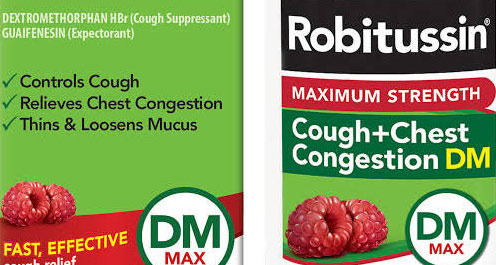
The key is very simple. You only need to know three ingredients: dextromethorphan, guaifenesin, and either an antihistamine or a decongestant. The names may sound complicated, but their roles are straightforward. They suppress the cough, thin the phlegm, and dry up the runny nose.
Looking at the current situation, you have both a cough and phlegm. In this case, there are no options. You need to address both at the same time. Therefore, choosing a DM product that contains both dextromethorphan and guaifenesin is essential.
The reason is clear. If you only suppress the cough, the phlegm won't be expelled, leading to more discomfort.
Conversely, if you only thin the phlegm, the cough will continue, making you feel worse. Choosing only one disrupts the balance.
Sometimes, the phlegm can feel particularly sticky and seems to cling to the back of your throat.
In such cases, expelling it takes priority over suppression. It's best to focus on guaifenesin. Drinking plenty of water at this time will significantly enhance its effectiveness.
On the other hand, if you have a dry cough without phlegm, you should focus on suppression. Using a phlegm medicine in this situation can be counterproductive.
Summarizing the common symptoms of an early cold or bronchial cold, you have a mix of cough, runny nose, mucus, and a feeling of warmth.
In such cases, there's no need to overthink it. Using a DM product is the most realistic choice. If necessary, you can add an antihistamine at night to reduce the runny nose and help with sleep.
There's one important point to note. There are no complete cold medicines in the U.S. They are all combinations. The product names may differ, but the ingredients are mostly similar. However, many people choose based on the brand alone, which ultimately leads to unnecessary spending.
And there's something even more important. The basics are more crucial than the medicine.
If you don't drink enough water, the effectiveness of guaifenesin decreases significantly. If you don't take a warm shower, your bronchial tubes won't open properly. If you have a severe cough and lie flat to sleep, you won't get a good night's rest, and your condition will worsen the next day.
Ultimately, in the U.S., the ability to choose medicine when you're sick is a life skill. Since no one is there to take care of you, you need to know for yourself.
But remember, suppress the cough, expel the phlegm, and reduce the runny nose. Just keep these three things in mind.
 NicoleKick







 Karina's Blog |
 Jimbeam 88 |
 Taco Bell Candy Note Blog |
 Splendid Mission |
 Florida Gario |

 Western US Medical Student Association |
 PETRO Vatican Shrine |
 Good Neighborhood, Wealthy District Information |
 Bacon King Blog |
  novapixel |
  Idaho's Sumi's House |
  Mr. Midwest America |
  wildfire |
  legalway |
  postcard |
  cheesecake07 |
  My Miami Stories |
  windylotus |
  Mia Flori |
  velaro29 |
  velaro |
  foxtrot83 |
  moname |
  mapleline |
  US Legal Consultation on Trials |
  UNI Lover |
  California Dreamer |
  Choco Mint Creator |