

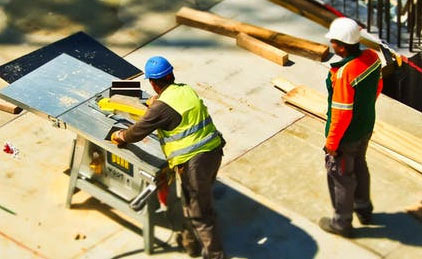
I would like to summarize the typical types of injury accidents that can occur on construction sites in the U.S. and how to receive compensation after an injury. Since construction workers are exposed to the risk of injury, it will be helpful to know this in advance. However, this information is based on general knowledge, and if you need precise legal advice, it is recommended to consult a lawyer or expert.
Common Types of Injury Accidents on Construction Sites
Falls
Accidents due to falls are common on construction sites, often caused by issues with scaffolding or safety equipment. It is also common to have accidents from falling off work platforms or slipping off ladders.
Falling Objects
This occurs when objects (materials, tools, etc.) are dropped from high floors, or when improperly secured machine parts fall and injure workers below. Even when wearing protective gear like helmets, serious injuries can occur, so caution is necessary.
Machinery and Equipment-Related Injuries
These accidents occur when using heavy machinery such as excavators, cranes, and forklifts, or various tools like saws and electric drills. Causes can include improper handling of equipment, inadequate safety devices, or malfunctions.
Musculoskeletal Disorders and Overexertion Injuries
Repeatedly lifting heavy materials or working in awkward positions for long periods can lead to pain in the back, shoulders, and knees. These injuries can occur suddenly but may also develop into chronic conditions due to accumulated fatigue over time.
Electrical Shock Accidents
Electrical shock accidents can occur when insulation is damaged while handling wires or electrical equipment, or when safety protocols are not followed.
How to Receive Compensation (Workers' Compensation)
In the U.S., injuries that occur on construction sites are primarily compensated through the 'Workers' Compensation' system. However, the procedures and scope may vary depending on the company's insurance status, the responsibility for the accident, and the laws of each state.
Workers' Compensation
This system is legally mandated in most states and allows for compensation regardless of fault if the accident occurred at work. Typically, the following items are included.
- Medical expenses (treatment, rehabilitation, physical therapy, etc.)
- Wage compensation (a certain amount for the period unable to work)
- Disability compensation if a permanent disability occurs
Personal Injury Lawsuit
In principle, the Workers' Compensation system takes precedence, but if there is a third party (such as equipment manufacturers or subcontractors) responsible for the injury, additional compensation can be claimed through a personal injury lawsuit. For example, if injured while using defective equipment, a lawsuit against the equipment manufacturer may be possible.
ADA (Americans with Disabilities Act) and Other Anti-Discrimination Protections
If you become disabled due to an accident or do not receive fair treatment at work after an injury, you may be protected under the ADA.
Practical Procedures
1 Report the accident immediately to your employer or site supervisor, and if necessary, seek treatment by going to 911 or the emergency room.
2 Complete the necessary paperwork related to the employer's Workers' Compensation insurance and file a claim.
3 Since procedures may vary slightly from state to state, it is safe to check the state labor department's guidelines or consult a lawyer for assistance.
Tips for Compensation
Documenting and Collecting Evidence Immediately After the Accident
As soon as possible, document the accident situation, the injured area, and the safety conditions of the site in detail. Taking photos or videos of the site can help when proceeding with a claim later. If there are witnesses, it is also important to secure their contact information.
Maintain Medical Treatment Records and Documents
You should keep records of diagnoses, treatment plans, and medical receipts from doctors, physical therapists, and rehabilitation specialists. These are essential documents when filing for Workers' Compensation.
Consulting Experts (Lawyers)
Injuries on construction sites often end with the injury compensation system, but if the severity of the injury is high or the responsibility is complex, it is safer to formally respond through a lawyer.
Check Company Policies and State Government Guidelines
Workers' Compensation regulations and procedures vary by state. Procedures may also differ depending on the insurance company the employer is with, so check the method that suits you and proceed accordingly.
Additional Precautions
In some states, having other income during the period of receiving Workers' Compensation may cause issues, so it is essential to work closely with a lawyer or insurance company.
If you are temporarily unable to work due to an injury and face unfair dismissal or disadvantages, you can seek help from the labor board or a lawyer.
If the severity of the injury is significant and requires long-term treatment, you may need to consider additional support or disability determination, so consulting with an expert is advisable.
Accidents on U.S. construction sites often involve falls, falling objects, and equipment-related injuries, and typically, medical expenses or wage losses are compensated through the Workers' Compensation system.
Depending on the situation, you may also receive various legal protections such as third-party lawsuits or protections under the Americans with Disabilities Act, so it is crucial to report, treat, and document thoroughly immediately after an injury. Safety is the top priority, but if an accident occurs, it is important to follow the proper procedures promptly to receive lawful compensation.






 Korean Mom |
 novapixel |
 Peter Pan Pet |
 horse |
 Sunset Oregon |
 Khan Film Blog Production |
 Illinois Mom |
 Rice Shop Uncle BLOG |
 Enjoyable American Life Diary |
 allstar realty |
  laro90 |
  MEDBIO American Doctor Blog |
  SWAT TEAM BLK |
  DREAM BIG |
  frostbite |
  330 Forever My Love |
  El Dorado |
  dralix58 |
  Gorama Round |
  Skydiving |
  dreamport |
  Yellow Snowman |
  Toaster Pizza Magic Show |
  velvetnom |
  Anytime Journey |
  Mrs. Duluth |
  jaxter |
  Atlanta Mama |
  Baguette Blog |
  Tan Sol |