

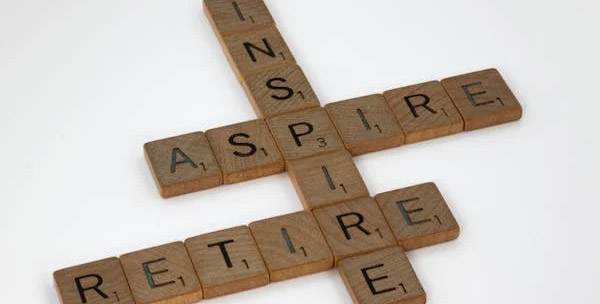
If you leave your job before retirement, whether your retirement pension can be transferred to another job or withdrawn depends on the retirement pension plan you are enrolled in.
Can I receive my accumulated retirement pension if I leave my job before retirement?
If you are enrolled in a defined benefit pension plan (excluding Cash Purchase Pension), you will be eligible for benefits once you reach a certain age. Therefore, it is important to regularly consult with your retirement plan administrator to keep your personal and job information up to date.
If you are enrolled in a cash purchase pension, you can transfer part of your existing account balance to an Individual Retirement Account (IRA) or to your new employer's retirement plan.
If you are enrolled in a defined benefit pension plan (e.g., 401(k) plan), you can withdraw your accumulated account balance after retirement.
What options do I have if I maintain a defined benefit pension plan?
One-time withdrawal: This method allows you to receive the amount contributed to the pension as a lump sum and withdraw it from the account. In this case, additional taxes may apply, and there is a risk of excess tax.
Transfer to another retirement plan (Rollover): If allowed, you can transfer your existing retirement plan to a new retirement plan.
Transfer to an Individual Retirement Account (IRA): You can request your employer to transfer the balance to an Individual Retirement Account (IRA).
If your account balance is less than $5,000: When you leave the company, the retirement plan may automatically designate a distribution. If this distribution is over $1,000, it will be automatically transferred to the selected IRA account, and if the employee does not request a one-time withdrawal, it will be automatically transferred to the employee's chosen IRA. The retirement plan will notify in advance, and the transfer will be processed according to IRA policies (e.g., combining existing savings accounts with an IRA is not allowed).
What should I be aware of if I choose a one-time withdrawal?
If you withdraw money as a lump sum and do not transfer it to another retirement account, taxes may apply if you are under 59 ½ years old. Additionally, the amount of pension you receive after retirement may decrease.
If you transfer the retirement account balance to another retirement account or IRA after retirement, you may lose tax benefits, and there may be issues with retirement benefits.
What happens if I leave my job and return?
If you leave a company after working for several years and then return to the same company, you may be able to include the period of employment you worked to qualify for retirement benefits. Typically, if you have worked for more than 5 years, trust and solidarity between the employer and employee are maintained. Trust is linked to the length of service required to receive retirement benefits.
If you are re-employed after retirement, you can earn additional income, but the amount and details of the retirement pension may vary. Therefore, it is important to read the retirement pension documents carefully and consult with the retirement plan administrator.
Managing your retirement pension is an important decision after leaving your job.
Carefully consider how to handle your retirement pension, and if necessary, consult with the retirement plan administrator to ensure a stable financial plan after retirement.






 vibranto |
 sparkling |
 oh my salami |
 saffronroute |
 You Only Live Once |
 Weekend Movie Blog |
 Beauty, Health, Lifestyle Blog |
 coloradoman |
 Superman Cat Blog |
 novapixel |
  US Embassy |
  Korean Mom |
  My NYC |
  moo moo |
  Mr Oh |
  forevergee |
  festival |
  manchester |
  constant |
  Leapfrog Move |
  Tora Tora |
  yellowbutter |
  Dolly |
  NYC saladbar |
  Finding Superfoods |
  lightyear |
  song bang |
  vexomo |
  Indiana Jones |