
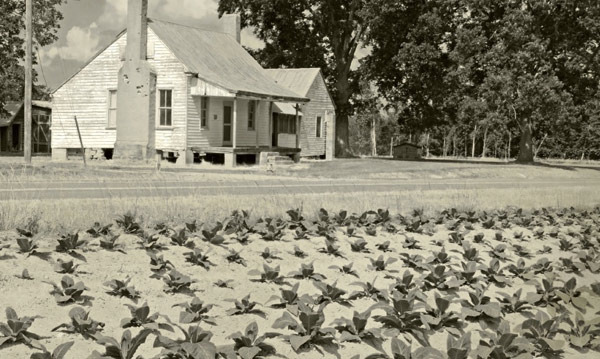
In the 1950s, the main agriculture in northern North Carolina was tobacco farming. At that time, this area was one of the leading tobacco producers in the entire United States, and literally, the economy and life of the town depended entirely on tobacco. Before the sun rose, farmers drove their tractors to the fields, and the rich scent of tobacco leaves wafted through the air. The green tobacco leaves lined up on the dry soil were a symbol of this region.
The 1950s was a period of prosperity for the American tobacco industry. After the war ended and the economy recovered, consumer spending increased, and tobacco was one of the largest markets among them. Most farmers in northern North Carolina worked as families. Fathers plowed the fields, mothers trimmed the harvested leaves, and children helped tie tobacco leaves or move them to the storage after school.
Tobacco farming was labor-intensive, so the work varied by season. In spring, seedlings were grown and transplanted, in early summer, weeds were removed, and in autumn, the harvest season began. The harvested tobacco leaves were immediately moved to the drying warehouse, where they were dried using a method called 'flue-curing' inside a large wooden building. This method dried the leaves using heat without directly exposing them to smoke, which is why North Carolina tobacco is famous for its smooth flavor and high quality.
Farmers stayed awake all night adjusting the fire until the leaves turned yellow. The sweet and bitter smell of tobacco leaves seeping through the cracks of the warehouse doors remains a childhood memory for the people of this region.
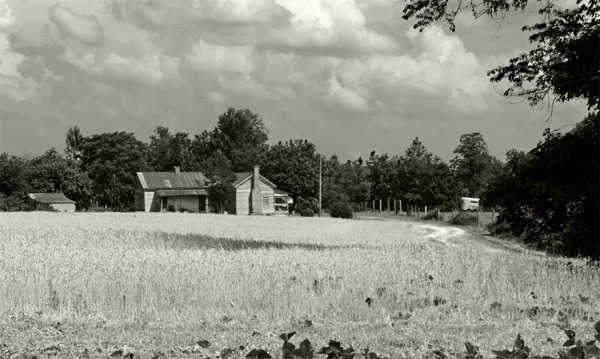
When the farming season ended, the tobacco auction house opened. As trucks filled with dried tobacco leaves entered the market, farmers gathered in groups to showcase the quality and negotiate prices. Large tobacco companies from various regions sent buyers to hold auctions, and the day's winning bid was a crucial moment determining the success of the year's harvest. The sight of farmers smiling as they reported good tobacco prices was the most vibrant scene in the rural town at that time.
During that time, tobacco was not just a crop but the center of life. Farmers paid for their children's education, bought new tractors, and made donations to the church with tobacco. Tobacco was their livelihood and pride. However, behind that was the hardship of labor and the shadow of industrial change. From the late 1950s, mechanization began, gradually eliminating the labor of hand-picking leaves, leading to a slow decline.
Still, for those who lived in that era, the tobacco fields of North Carolina were a memory and an identity. The dew sparkling in the morning mist, the smell of dried leaves filling the drying warehouse, and the warmth of neighbors helping each other when hands were short were all unique and warm scenes of that time. Today, many farms have been replaced by corn or soybeans, but the memories of that era still remain in the minds of the people in this region.








 Toaster Pizza Magic Show |
 US Embassy |
 fortbliss |
 Folding Instructions |
 yentra |
 NC Dreamer |
 Balan |
 Audio Mania World |
 North Carolina State University |
  DREAM BIG |
  frostbite |
  330 Forever My Love |
  El Dorado |
  dralix58 |
  Gorama Round |
  Skydiving |
  dreamport |
  Yellow Snowman |
  velvetnom |
  Anytime Journey |
  Mrs. Duluth |
  jaxter |
  Atlanta Mama |
  Baguette Blog |
  Tan Sol |
  Korean Mom |
  My NYC |