
Orange County is a county located in the Southern California metropolitan area of Los Angeles. It is one of the most well-known counties in the United States, covering an area of 2,460 km² with a population of over 3 million. It is the third largest county in California, after Los Angeles County and San Diego County, and the sixth largest county in the entire United States. The history of this region dates back to the Native American era and has undergone various changes from Spanish colonization, Mexican rule, to becoming part of the United States.
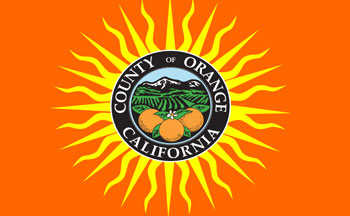
Native American Era and Early Settlement
For thousands of years, various Native American tribes have inhabited the Orange County area. Notable tribes include the Gabrielino and the Licuan, who utilized the abundant natural resources for agriculture, fishing, and hunting to sustain their livelihoods. These Native Americans had complex social structures and rich cultural traditions, living in harmony with nature.
Spanish Colonization and Mexican Rule
In the late 18th century, Spanish explorers and missionaries arrived in the Orange County area, marking the beginning of the Spanish colonial era. In the 1810s, Spain established several missions in the region to spread Christianity to the Native Americans and introduced European-style agriculture and livestock farming. During the Spanish colonial period, Orange County primarily developed an economy centered around agriculture and livestock.
In 1821, Mexico gained independence from Spain, and Orange County became part of Mexican territory. During the Mexican rule, land ownership and agricultural production further developed, maintaining the social structure established during the Spanish colonial period. However, after the Mexican-American War in 1848, Orange County became part of the United States.
Annexation by the United States and County Establishment
Orange County was officially established as a county within California in 1889. During this time, the expansion of railroads led to a rapid increase in population, and various industries began to develop alongside agriculture. Notably, Orange County became famous for citrus cultivation, earning the nickname "Orangetown." Citrus farms became a significant pillar of the local economy, allowing many residents to prosper.
20th Century and Modern Orange County
Entering the 20th century, Orange County experienced rapid urbanization and population growth. In the 1920s and 1930s, many people migrated due to the influence of the Hollywood film industry, and the tourism industry also flourished. In the 1960s and 1970s, Orange County established itself as a center for technology and education, further diversifying its economy. Major universities, such as the University of California, Irvine (UC Irvine), were established, growing into hubs for education and research.
Today, Orange County is a metropolitan area with a population of over 3 million, located at the border between northern Orange County and Los Angeles County. In bustling areas like Fullerton and Buena Park, you can find many Korean shops and restaurants. While Los Angeles's Koreatown has many areas that feel outdated due to stagnation in the 70s and 80s, the Korean communities in Orange County have developed in the 2020s, giving them a relatively cleaner feel.







 Weekend Movie Blog |
 Beauty, Health, Lifestyle Blog |
 coloradoman |
 Superman Cat Blog |
 novapixel |
  Tonky |
  viroma |
  cookie |
  Live and that's it |
  Alright Twain |
  eatontown blog |
  HAWAII Korean Church News |
  Amore |
  linex |
  Balancework |
  laro90 |
  MEDBIO American Doctor Blog |
  SWAT TEAM BLK |
  DREAM BIG |
  frostbite |
  330 Forever My Love |
  El Dorado |
  dralix58 |
  Gorama Round |
  Skydiving |