

Arizona is a state located in the southwestern United States, boasting a diverse landscape that includes vast deserts and mountainous regions. While the state is primarily known for its dry climate, the patterns of rain and snow can vary significantly by region. In this blog post, we will take a closer look at the annual average number of rainy days across Arizona, monthly average precipitation, annual average snowfall, monthly average snowfall, the highest recorded rainfall and snowfall, and the climatic characteristics by region.
Annual Average Number of Rainy Days
The annual average number of rainy days in Arizona varies greatly by region. Overall, Arizona tends to be dry, but relatively more rain falls in high-altitude and certain areas.
- Phoenix and Tucson: An average of about 35 days of rain per year. This area has a desert climate, where rain is infrequent.
- Flagstaff: An average of about 90 days of rain per year. Due to its mountainous climate, both rain and snow occur frequently.
- Mojave Region: An average of about 25 days of rain per year. It exhibits a very dry desert climate.
- Inland Mountain Areas: An average of about 50 days of rain per year. This region experiences a variety of rainfall patterns.
Monthly Average Precipitation
The monthly average precipitation in Arizona varies significantly by season and region. Focusing on major cities, we find the following:
Phoenix
- January: About 1.2 inches of rain.
- February: About 1.4 inches of rain.
- March: About 1.8 inches of rain.
- April: About 1.0 inch of rain.
- May: About 0.8 inches of rain.
- June: About 0.5 inches of rain.
- July: About 0.4 inches of rain.
- August: About 0.5 inches of rain.
- September: About 1.0 inch of rain.
- October: About 0.7 inches of rain.
- November: About 1.0 inch of rain.
- December: About 1.2 inches of rain.
Main Features:
- Spring (March to May): Spring begins to dry out, and rain gradually decreases.
- Summer (June to August): Summer is the monsoon season, where short and intense thunderstorms can lead to heavy rain.
- Autumn (September to November): Rainfall increases again in autumn, especially in September and November.
- Winter (December to February): Winter is relatively dry, but rain occurs more frequently than snow.
Annual Average Snowfall
Snowfall in Arizona varies greatly by region. Most snow falls in high-altitude and mountainous areas.
- Phoenix and Tucson: An average of about 0.5 inches or less of snow per year. Most snow is rare and primarily occurs in high-altitude areas.
- Flagstaff: An average of about 75 inches of snow per year. Heavy snowfall in winter can lead to difficult road conditions.
- Inland Mountain Areas: An average of about 30 inches of snow per year.
- Mojave Region: An average of about 0.3 inches of snow per year. This is very rare.
Monthly Average Snowfall
The monthly average snowfall in Arizona varies somewhat by region. Focusing on major cities, we find the following:
Flagstaff
- January: About 20 inches of snow.
- February: About 18 inches of snow.
- March: About 15 inches of snow.
- April: About 5 inches of snow.
- May: About 2 inches of snow.
- June: Very little snow.
- July: Very little snow.
- August: Very little snow.
- September: About 3 inches of snow.
- October: About 8 inches of snow.
- November: About 12 inches of snow.
- December: About 20 inches of snow.
Main Features:
- Winter (December to February): Heavy snowfall occurs, and blizzards are frequent.
- Spring and Autumn: Snow falls intermittently, but very little snow falls in summer.
Highest Recorded Rainfall and Snowfall
Highest Recorded Rainfall: The highest recorded rainfall in Arizona occurred on May 15, 1916, during a heavy rainstorm that dropped 11 inches (about 280mm) of rain. This amount of rainfall resulted in severe flooding and inundation in the area.
Highest Recorded Snowfall: The highest recorded snowfall in Flagstaff was 50 inches (about 1270mm) of snow in December 2008. This heavy snowfall was an extremely rare event, causing traffic disruptions and infrastructure damage.
Main Impacts:
- Flooding and Inundation: Heavy rain over a short period can lead to flooding of roads and homes, causing traffic paralysis and residential damage.
- Infrastructure Damage: The drainage systems and road infrastructure can suffer significant damage, requiring a long time for recovery.
- Casualties: Accidents caused by rain and heavy snow can result in casualties.
- Traffic Disruptions: Heavy rain and snow can lead to flight delays and cancellations, as well as road closures, causing severe traffic disruptions.
Regional Climate Characteristics
Arizona's vast area and diverse terrain result in significant climate variations by region.
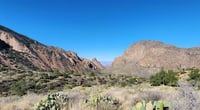
- Desert Areas (Phoenix, Tucson): Primarily desert climate, with very low annual rainfall and persistent dry weather. Sudden heavy rain can occur during the summer monsoon.
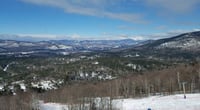
- Highland Areas (Flagstaff): Highland climate, with heavy snowfall in winter and strong cold. Summers are relatively mild and humid.
- Inland Mountain Areas: Continental climate, with hot and dry summers, and very cold winters, but relatively dry. Rain occurs more frequently than snow.
- Mojave Desert: Extremely dry desert climate, with very low annual rainfall and extreme temperature fluctuations.
Considerations for Rain and Snow
If you plan to visit or live in Arizona, it is important to consider the following:
- Use of Air Conditioning and Dehumidifiers: In desert areas, air conditioning is essential due to high temperatures and dry climate in summer. In highland areas, humidity can be high, so a dehumidifier may be necessary.
- Stay Hydrated: The risk of dehydration is high in dry climates, so it is important to drink plenty of water.
- Plan Outdoor Activities: During the summer monsoon season, sudden heavy rain and thunderstorms can occur, so it is advisable to check the weather forecast and avoid times when rain is likely during outdoor activities.
- Flood Preparedness: Some areas are at risk of flooding due to sudden heavy rain, so it is important to have a flood preparedness plan and know emergency evacuation routes if necessary.
- Snow Preparedness: In highland areas, heavy snow can occur in winter, so it is important to prepare snow removal tools and be cautious when driving on snowy roads. Additionally, be mindful of traffic safety on snow-covered roads.
- Building and Infrastructure Management: During periods of heavy rain and snow, it is necessary to check the drainage systems of buildings and make efforts to maintain proper drainage on roads.
- Hurricane Preparedness: During hurricane season (June to November), it is important to prepare a hurricane preparedness kit and establish an evacuation plan.
The climate in Arizona varies greatly by region, and the annual average number of rainy days and monthly average precipitation and snowfall can fluctuate significantly by region and season. With an average of 25 to 150 rainy days per year and monthly average precipitation and snowfall varying by region and climatic characteristics, extreme weather events such as record rainfall and snowfall can also occur. Understanding these climatic characteristics and preparing measures can greatly help make life in Arizona more comfortable and safe.





 Kitchen Ideas |

 Toaster Pizza Magic Show |
 The Long Shot |
 Arizona AZ Cowboy |
 Tonky |
  viroma |
  cookie |
  Live and that's it |
  Alright Twain |
  eatontown blog |
  HAWAII Korean Church News |
  Amore |
  linex |
  Balancework |
  laro90 |
  MEDBIO American Doctor Blog |
  SWAT TEAM BLK |
  DREAM BIG |
  frostbite |
  330 Forever My Love |
  El Dorado |
  dralix58 |
  Gorama Round |
  Skydiving |