
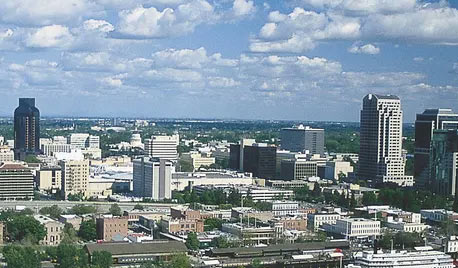
Sacramento, CA, is the capital of California, known for its beautiful natural scenery along the river and rich historical background.
This city experiences a Mediterranean climate, with dry and hot summers, while winters are wet and mild.
In this blog post, we will explore Sacramento's average annual rainy days, monthly average rainfall, record rainfall, snowfall information, and climate characteristics in detail.
Average Annual Rainy Days
Sacramento receives an average of about 60 days of rain per year. Rainfall is mainly concentrated in the winter and early spring, with almost no rain during the summer. The amount of rain can vary significantly during El Niño or La Niña events.
Monthly Average Rainfall
The monthly average rainfall in Sacramento varies greatly by season. Rainfall is concentrated in the winter and early spring, while there is almost no rain during the summer.
Sacramento
- January: about 3.8 inches (about 97mm)
- February: about 3.5 inches (about 89mm)
- March: about 2.7 inches (about 69mm)
- April: about 1.2 inches (about 30mm)
- May: about 0.7 inches (about 18mm)
- June: about 0.2 inches (about 5mm)
- July: about 0.0 inches (about 0mm)
- August: about 0.0 inches (about 0mm)
- September: about 0.2 inches (about 5mm)
- October: about 0.9 inches (about 23mm)
- November: about 2.1 inches (about 53mm)
- December: about 3.4 inches (about 86mm)
Main Features:
- Winter (December-February): The season with the most rainfall, during which Sacramento's dams and waterways play a crucial role.
- Spring (March-May): Rainfall gradually decreases, and warm, dry weather begins to appear.
- Summer (June-August): Summers are very dry, with almost no rainfall.
- Autumn (September-November): Rainfall increases again, and winter rainfall patterns begin in November.
Record Rainfall
Record Rainfall: The highest recorded rainfall in Sacramento occurred during a storm in February 1986, when approximately 6.9 inches (about 175mm) of rain fell in a single day. This rainfall caused significant river flooding and inundation.
Main Impacts:
- Flooding and Inundation: Concentrated rainfall can lead to flooding of roads and homes, causing severe local damage.
- Agricultural Damage: In Sacramento, a major agricultural hub in California, rainfall poses a risk of crop damage.
- Traffic Disruption: Heavy rain can lead to road closures and affect public transportation systems.
Snowfall Information
Sacramento is located in a flat area, so snowfall is minimal. However, in the surrounding highlands, particularly the Sierra Nevada mountains, significant snowfall occurs in winter, positively impacting local ski resorts and the tourism industry.
Climate Characteristics
Sacramento's climate is classified as Mediterranean, characterized by dry summers and wet winters.
- Mediterranean Climate: There is almost no rain during the summer, with hot and dry weather persisting.
- Flood Risk: Concentrated winter rainfall can lead to river flooding, and local residents should prepare flood response plans.
- Temperature Variation: There is a large temperature difference between day and night in summer. Mild weather is maintained in winter.
- Agricultural Center: Sacramento is a major agricultural center in California, where rainfall significantly impacts crop cultivation and harvest.
Considerations for Rainfall
If you plan to live in or visit Sacramento, it is important to consider the following:
- Flood Preparedness: During the rainy winter months, there is a risk of flooding, so prepare evacuation plans and emergency supplies.
- Waterproof Gear Preparation: It is advisable to prepare waterproof jackets, umbrellas, and boots during the winter.
- Use Public Transportation: Heavy rain can worsen road conditions, so consider using public transportation or adjusting travel plans.
- Summer Preparedness: Summers are dry and hot, so check air conditioning and prepare plenty of water.
- Agricultural Worker Preparedness: Those involved in agriculture should monitor rainfall forecasts and adjust irrigation plans as needed.
Conclusion
Sacramento has an average of about 60 rainy days per year and a rainfall pattern that varies greatly by season. Rainfall is mainly concentrated in the winter and early spring, with almost no rain during the summer. Understanding these climate characteristics and preparing measures can help make life, agriculture, and tourism activities in Sacramento safer and more efficient.





 Physical Laws and Science |
 Grow Your Gut Bacteria Well |


 US Home Buying Information Home Insurance |
 Anytime Journey |
  Mrs. Duluth |
  jaxter |
  Atlanta Mama |
  Baguette Blog |
  US Embassy |
  Korean Mom |
  My NYC |
  moo moo |
  Mr Oh |
  forevergee |
  festival |
  manchester |
  constant |
  Leapfrog Move |
  vibranto |
  Tora Tora |
  yellowbutter |
  Dolly |
  NYC saladbar |