

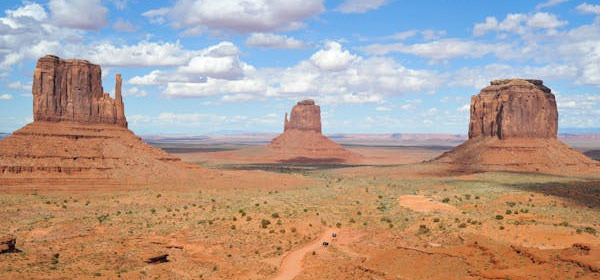
What image comes to mind when you think of Utah? Snowy mountains? Ski resorts? Or perhaps red canyons?
In fact, Utah is a land that cannot be captured by such 'cliché images'; it possesses a diversity of nature beyond imagination.
Especially, the various deserts in this region can be considered a living natural museum where geology, ecology, and art meet.
The most well-known deserts include the Mojave Desert, Great Salt Lake Desert, and Nevada Desert.
Mojave Desert
The Mojave Desert, located in the southwestern part of Utah, is dominated by a hot, dry tropical climate.
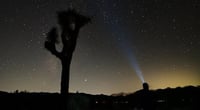
During the day, it is hot enough to ripen fruit, and at night, it becomes chilly enough to see your breath. Yet, the unique vitality of Utah blooms in this extreme climate. This place is famous for its unique vegetation, such as the Joshua Tree, and for its complex, hidden ecosystems.
The Mojave Desert is also noted by paleontologists as a site for dinosaur fossil excavations, and adventurers see it as a 'sculpture garden shaped by wind and sand.' Sometimes chosen as a filming location for exotic sci-fi movies, and at other times as a spiritual destination, it has a wide range of attractions.
Great Salt Lake Desert
Contrary to the typical image that comes to mind with the word 'desert,' the Great Salt Lake Desert is a white land covered in salt.
Like bringing the sky right beneath your feet, the clouds and mountains reflected in the salt flats create a surreal landscape.
This place is a prime example of how much reversal Utah's nature possesses. It is not just a pretty location; it also encompasses the scientific phenomenon of salt lake evaporation in a dry climate. Moreover, at Bonneville Speedway, unique events are held to set speed records for cars, making it an intriguing and captivating space.
Nevada Desert
The area where the western edge of Utah meets Nevada is commonly referred to as the Great Basin Desert, but people often simply call it the 'Nevada Desert.' This place may seem ordinary, but as you go deeper, a surprisingly diverse terrain unfolds.
From wide plains to dry valleys, and even rare highlands – layers of nature are hidden beneath what appears to be monotonous land. With a climate that is cool in summer and freezing in winter, it is the most 'enigmatic' land among Utah's deserts. This desert, requiring observation and patience, is a paradise for explorers.
Valley of Fire
Now, here comes the visual finale of Utah's deserts. The flamboyantly named Valley of Fire is a natural artwork created by burning red rocks. Officially part of Nevada, it is located close to the Utah border and has become a must-visit for travelers to Utah.
This place is more than just 'red rocks.' The erosion of sandstone, volcanic activity, and the sculpting of wind and time have created this terrain over millions of years, blending with petroglyphs left by ancient Indians, creating an atmosphere where nature and humanity's time and space seem to intertwine.
One photo taken here might prompt the question, "Did you Photoshop this?" The colors are so striking that when captured by a drone, it feels like you are photographing Mars. The Valley of Fire is a region of great geological and artistic value.
The deserts of Utah each have unique geological characteristics, and the terrain and climate of this region combine to create various natural phenomena.
The Mojave Desert exhibits tropical characteristics, the Great Salt Lake Desert showcases unique features related to saline water, the Nevada Desert displays a mix of extensive plains and highlands, and the Valley of Fire boasts the beauty of red rocks.
These deserts are also very important subjects for geological and ecological research and are popular tourist destinations.
If you have the time, I believe it is definitely worth a visit in the United States.




 Khan Film Blog Production |
 dermoon |
 hoosierdaddy |
 sun walker |
 Let's Be Like a Salt-like City Person |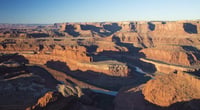
 Enjoyable American Life Diary |
 morvex37 |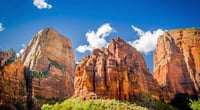
 Utah, the Most Livable State |

 Korean Mom |
  My NYC |
  moo moo |
  Mr Oh |
  forevergee |
  festival |
  manchester |
  constant |
  Leapfrog Move |
  vibranto |
  Tora Tora |
  yellowbutter |
  Dolly |
  US Embassy |
  NYC saladbar |
  Finding Superfoods |
  lightyear |
  song bang |
  vexomo |
  Indiana Jones |