

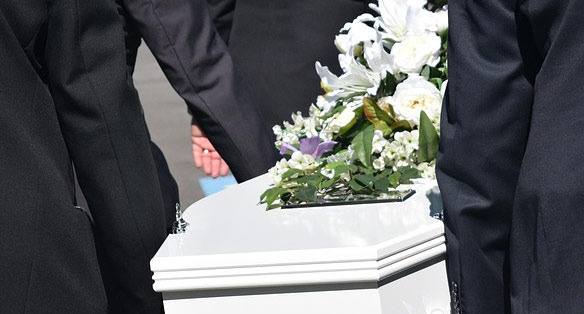
For example, when a 76-year-old man receiving a pension in the United States passes away, leaving behind a spouse and children, what happens to his pension depends on the type of pension and the regulations of the respective system.
The term 'pension' here can be broadly categorized into three types: Social Security Retirement Benefits, military, civil servant, and teacher pensions, and individual pensions (IRA, 401k, Annuity, etc.).
First, in the case of Social Security benefits (SSA), the pension payments stop immediately upon death. However, the spouse, minor children, or certain disabled children may be eligible for Survivor Benefits.
For instance, a spouse over 60 years old can receive part or all of the deceased's pension as a survivor benefit, depending on their age and circumstances.
If the spouse is under 60 but is caring for a child under 16, they can receive benefits regardless of age. For children, benefits can continue until age 18 (or 19 if still in high school), or for life if they are disabled.
Secondly, in the case of public pensions like military, civil servant, or teacher pensions, there are separate regulations for survivor benefits.
This depends on the pension payment option chosen before death. For example, if the 'Joint & Survivor' option was selected, the spouse will receive a certain percentage (50%-100%) of the pension for life after the death. Conversely, if the 'Single Life' option was chosen, the pension will terminate immediately upon death. Therefore, choosing the right option just before retirement is crucial.
The third type is individual pensions (IRA, 401k, Annuity). Retirement accounts like IRA or 401k pass to the designated beneficiary upon the account holder's death.
If the beneficiary is a spouse, they can transfer the account into their name and continue managing it or withdraw it as a lump sum. If children inherit, they must withdraw the full amount within 10 years according to the SECURE Act, which requires them to take distributions within a certain period. Annuities may continue to pay out if there are options for 'death benefit' or 'survivor benefit' in the contract; otherwise, the contract ends.
It is important to note that no pension automatically transfers 'as is' to beneficiaries. In most cases, the pension amount or payment period may decrease or even stop altogether. Therefore, while receiving a pension or before retirement, it is essential to designate beneficiaries and select survivor benefit options. Otherwise, the spouse or children may end up receiving no benefits.
Another point to be cautious about is that survivor benefits or inherited pensions may have different tax regulations. For example, Social Security survivor benefits may be taxed if income exceeds a certain threshold, and inherited IRA or 401k accounts incur income tax upon withdrawal. Thus, financial planning that considers both inheritance tax and income tax is necessary.
In summary, whether the pension continues to be paid after the death of a 76-year-old man depends on the type of pension (Social Security, public pension, individual pension), the payment options chosen during his lifetime, and whether beneficiaries were designated.
Therefore, for those approaching retirement or already receiving pensions in the United States, it is crucial to check in advance what financial support their family may receive after their death and to accurately complete the options and beneficiary designation procedures. This way, the remaining family can reduce the risk of unexpectedly losing income.







 sparkling |
 oh my salami |
 saffronroute |
 You Only Live Once |
 Texas Real Estate Blog |
 Lululala |
 Gook Rule |
 Dragon Lee |
 Georgia 88 |
 manchester |
  constant |
  Leapfrog Move |
  vibranto |
  Tora Tora |
  yellowbutter |
  Dolly |
  US Embassy |
  NYC saladbar |
  Finding Superfoods |
  lightyear |
  song bang |
  vexomo |
  Indiana Jones |
  meloncat |
  novapixel |
  mortrix |
  Esther 1983 |
  fortbliss |
  Moscow Kim |