
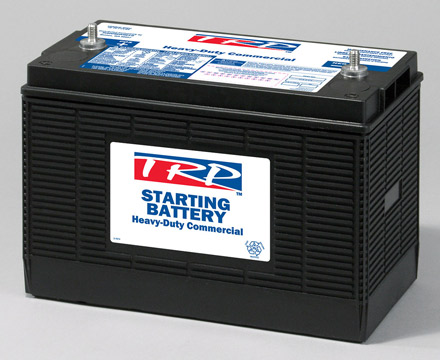
Today, I would like to talk about the phenomenon of battery performance degradation that we often encounter in daily life.
We will take a deep dive into the effects of cold weather on batteries and the reasons behind it. You may have experienced a decrease in battery performance in various devices such as smartphones, laptops, and electric vehicles, so let's explore why this happens.
Understanding the Basic Principles of Batteries
A battery is a device that converts chemical energy into electrical energy. This process generates electrons as ions move within the electrolyte, and these electrons flow through the circuit in the device to supply power. The performance of a battery greatly depends on the efficiency of this chemical reaction.
The Impact of Cold Temperatures on Batteries
Decrease in Chemical Reaction Rate
In cold temperatures, the rate of chemical reactions inside the battery slows down. This is because the movement of ions within the electrolyte decreases, and the flow of electrons becomes less smooth. As a result, the output voltage and current of the battery decrease, leading to performance degradation.
Increased Viscosity of the Electrolyte
As the temperature drops, the viscosity of the electrolyte inside the battery increases. When the viscosity of the electrolyte is high, it becomes difficult for ions to move, which reduces the efficiency of the electrochemical reactions. Consequently, the voltage output of the battery decreases, and the operating time of the device shortens.
Increased Internal Resistance
In cold temperatures, the internal resistance of the battery increases. When the internal resistance is high, more energy is consumed as heat when current flows from the battery to the device. This lowers the overall efficiency of the battery and degrades the performance of the device.
Changes in Battery Materials
Some battery materials may undergo structural changes at cold temperatures. For example, in lithium-ion batteries, the lattice structure may deform during the movement of lithium ions within the electrolyte. Such structural changes can reduce the conductivity of the battery and affect its performance.
Ways to Minimize Battery Performance Degradation
It is important to maintain a consistent temperature in the environment where the battery is used. Especially in winter, care should be taken not to store the battery in excessively cold places. Storing it in a well-insulated location can help maintain a consistent rate of chemical reactions in the battery.
In electric vehicles or electronic devices, using the preheating function the day before using the battery can be helpful. Preheating the battery raises the internal temperature, speeding up the chemical reaction rate and reducing the viscosity of the electrolyte, thereby minimizing performance degradation.
In cold weather, it is advisable to utilize the power-saving mode of the device to reduce battery consumption. Lowering the screen brightness or closing unnecessary background apps can extend battery usage time.
Batteries degrade in performance due to several reasons such as decreased chemical reaction rates, increased electrolyte viscosity, and increased internal resistance in cold temperatures. By understanding these phenomena and utilizing appropriate countermeasures, you can maintain battery efficiency even in cold weather.







 Weekend Movie Blog |
 Beauty, Health, Lifestyle Blog |
 coloradoman |
 Superman Cat Blog |
 Awesome Blog |
  manchester |
  constant |
  Leapfrog Move |
  vibranto |
  Tora Tora |
  yellowbutter |
  Dolly |
  US Embassy |
  NYC saladbar |
  Finding Superfoods |
  lightyear |
  song bang |
  vexomo |
  Indiana Jones |
  meloncat |
  novapixel |
  mortrix |
  Esther 1983 |
  fortbliss |
  Moscow Kim |