
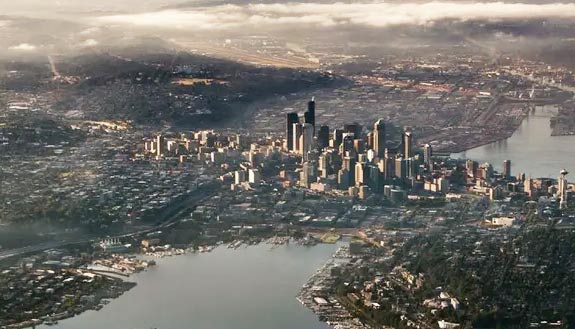
Seattle is located in an area with active seismic activity.
It is situated in the northwestern part of the United States along the Pacific coast, under the influence of the Pacific Ring of Fire, where tectonic plates collide and move.
Earthquakes around Seattle vary in intensity and frequency, but historically, there have been several significant earthquakes.
Let's take a look at Seattle's earthquake history, preparedness, and impacts.
Major Historical Earthquake Events in Seattle
The Seattle area is close to the boundary between the Pacific Plate and the North American Plate, making it highly susceptible to earthquakes. Major earthquake events in this region have significantly impacted Seattle and its surrounding cities.
1949 Earthquake
One of the first major earthquakes remembered in Seattle's history is the 1949 earthquake. This earthquake had a magnitude of 7.1 and is also known as the Richfield Earthquake. It had a significant impact across Washington State, including Seattle. Fortunately, the earthquake was deep, resulting in minimal direct damage, but it caused major building cracks and structural damage. This earthquake drew considerable attention in Seattle and heightened interest in earthquake preparedness.
1965 Earthquake
In 1965, a strong earthquake with a magnitude of 6.5 occurred. This earthquake was one of the significant earthquakes along the U.S. Pacific coast, affecting many areas in Oregon and Washington. Seattle was impacted by this earthquake, but overall, the damage was limited to facility damage and building vibrations. However, this earthquake served as a reminder of the need for earthquake preparedness in the Seattle area.
2001 Seattle Earthquake
On February 28, 2001, Seattle experienced another major earthquake. The Nisqually Earthquake, with a magnitude of 6.8, had a significant impact on Seattle and its surrounding areas. This earthquake, also known as the Nisqually Earthquake, originated near Nisqually. It caused various damages, including building collapses, broken windows, and street cracks. Notably, many high-rise buildings in Seattle experienced significant vibrations, leading to traffic accidents and power supply issues. The experience of many structures in the Seattle area during this earthquake heightened interest in earthquake preparedness and building safety.
Earthquake Preparedness and Current Situation in Seattle
Given the high earthquake risk in Seattle, preparedness is crucial. Building codes and the readiness of citizens in the Seattle area are continuously improving, with a focus on earthquake-resistant structures and enhanced citizen education programs.
Earthquake-Resistant Structures
Seattle is a city where seismic design is prioritized. Seismic design refers to the technology that ensures buildings are less affected by earthquakes. High-rise buildings in Seattle are required to have seismic design, and residential and commercial buildings are also designed to possess strong resistance to earthquakes. Major buildings, including Seattle City Hall, are designed with vibration detection systems and seismic performance in mind.
Citizen Preparedness
In Seattle, earthquake preparedness education and training are taken seriously. Citizens are educated about earthquake preparedness kits and evacuation plans, and schools and public institutions in Seattle conduct training to ensure appropriate responses during an earthquake.
Importance of Earthquake Activity
While Seattle faces natural risks from earthquakes, seismic activity can significantly impact the city's infrastructure and buildings. As an important economic and commercial center, earthquake preparedness is vital not only for citizen safety but also for economic stability. In the event of an earthquake, transportation networks and power systems can be affected, leading to substantial economic damage, making preparedness essential.
Seattle is exposed to earthquake risks, but many measures are being taken for earthquake preparedness.
Through seismic design and citizen education, Seattle is working to minimize earthquake damage, and ongoing preparedness efforts are necessary.




 Bacon King Blog |

 Bald Eagle Brothers |
 Seattle - Emerald City |
 PETRO Vatican Shrine |
 Real Estate Agent USA |
  US Embassy |
  Korean Mom |
  My NYC |
  moo moo |
  Mr Oh |
  forevergee |
  festival |
  manchester |
  constant |
  Leapfrog Move |
  vibranto |
  Tora Tora |
  yellowbutter |
  Dolly |
  NYC saladbar |
  Finding Superfoods |
  lightyear |
  song bang |
  vexomo |
  Indiana Jones |