
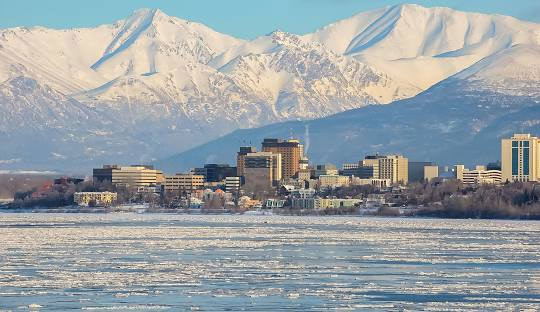
Anchorage is the largest city in Alaska and a center of commerce and culture, with many differences from the mainland USA. Life in Anchorage shows differences from the mainland in various aspects such as the natural environment, climate, and social characteristics. Below are the TOP 10 differences between living in Anchorage and the mainland USA.
1. Extreme Climate
- Anchorage has very long winters and short summers, but there is a significant temperature difference between summer and winter. Summer days are long, and in winter, the phenomenon of 'midnight sun' occurs where the sun hardly sets.
- While the mainland USA often experiences a mild climate, Anchorage is closer to the polar regions, resulting in more extreme temperature differences.
2. Changes in Sunlight
- Summer: In Anchorage, the sun shines for more than 19 hours a day, and in some areas, the phenomenon of midnight sun occurs where the sun does not set at all.
- Winter: Conversely, in winter, the days are short, with only about 5-6 hours of sunlight. This short daylight duration is different from most areas of the mainland USA.
3. Cost of Living
- High cost of living: Anchorage has limited logistics connections with the outside, so many products are expensive. Fresh food and some necessities can be more expensive than on the mainland.
- Transportation and shipping costs: Higher transportation and shipping costs occur compared to the mainland USA.
4. Proximity to Wildlife
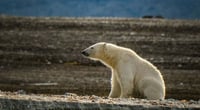
- Wildlife: Various wild animals such as bears, moose, and wolves frequently appear around Anchorage. There are many opportunities to encounter animals close to urban areas.
- In the mainland USA, there are fewer opportunities to encounter wildlife within most cities.
5. Differences in Transportation
- Limited road network: In Anchorage, vehicles are the main mode of transportation within the city, but the road network is limited and the public transportation system is relatively underdeveloped.
- In major cities on the mainland, various public transportation systems such as subways and buses are well developed, while Anchorage is generally highly dependent on vehicles.
6. Natural Scenery
- Outstanding natural environment: Anchorage has a unique feature where mountains, seas, and glaciers are easily accessible within the city. Outdoor activities such as hiking, fishing, and climbing are abundant.
- In the mainland USA, such natural environments can only be found in specific areas.
7. Dining Culture
- Nature-related meals: In Anchorage, it is common to use Alaskan native ingredients such as sea lions, whales, seals, moose, and caribou.
- In the mainland USA, it is difficult to find these ingredients, and the food culture is emphasized according to the characteristics of the region.
8. Connection to Indigenous Culture
- Alaska Native culture: Anchorage has a strong presence of Alaska Native culture. Various indigenous cultural events and artworks can be experienced in Anchorage.
- In the mainland USA, much of the indigenous culture has been lost or can only be experienced in specific areas.
9. Feeling of Isolation
- Isolated area: Anchorage can feel isolated due to its distance from the mainland and limited transportation with other states.
- In the mainland USA, most areas have developed transportation networks, making it easy to connect with other regions.
10. Characteristics of the Community
- Small community: Anchorage is a relatively small city where many people often know each other.
- In major cities on the mainland USA, many people live anonymously, and personal relationships may be relatively fewer.
Anchorage offers a distinctly different lifestyle from the mainland USA due to its geographical location, natural environment, and climatic characteristics. The climate, nature, and proximity to wildlife, along with a feeling of isolation, make Anchorage a city that provides a unique experience, appealing to those who desire a nature-oriented lifestyle.


 AL ALASKA |
 Information on Area Codes in the Americas |

 Alaska Kim |
 Omelet Rice for Strength |
  DREAM BIG |
  frostbite |
  330 Forever My Love |
  El Dorado |
  dralix58 |
  Gorama Round |
  Skydiving |
  dreamport |
  Yellow Snowman |
  Toaster Pizza Magic Show |
  velvetnom |
  Anytime Journey |
  Mrs. Duluth |
  jaxter |
  Atlanta Mama |
  Baguette Blog |
  Tan Sol |
  US Embassy |
  Korean Mom |
  My NYC |