
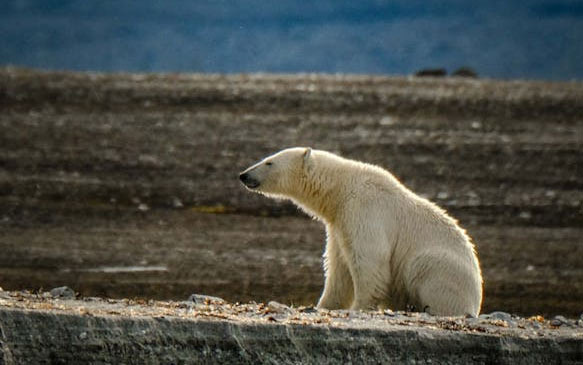
Alaska is one of the main habitats for polar bears, which primarily inhabit coastal and sea ice areas of the Arctic.
The global population of polar bears is estimated to be around 20,000 to 25,000, with a significant number residing in the Arctic region, including Alaska.
Main habitats of polar bears in Alaska:
Northern coastal areas: The northern coastline of Alaska and the surrounding sea ice areas are the main habitats for polar bears.
Northwestern region: Polar bears also inhabit the coastal areas of the Chukchi Sea and the Beaufort Sea.
Characteristics of polar bears:
Physical characteristics: Adult male polar bears can reach 190 to 250 cm (up to 800 kg), while females range from 170 to 250 cm (up to 500 kg).
Habitat environment: They primarily live on sea ice and mainly feed on marine mammals such as seals.
Conservation status and threats:
Polar bears are currently classified as Vulnerable by the International Union for Conservation of Nature (IUCN), indicating a high risk of extinction.
Major threats include the reduction of sea ice due to climate change, pollution, and human activities.Conservation efforts in Alaska:
The state of Alaska and the federal government of the United States operate various conservation programs to protect polar bear habitats and monitor their populations.
Additionally, they collaborate with indigenous communities to maintain sustainable traditional hunting practices and continue research on polar bear ecology and the environment.
Polar bears hold an important position in Alaska's ecosystem, and their conservation reflects the health of the entire Arctic environment.
Therefore, ongoing research and conservation efforts are necessary.




 AL ALASKA |
 Information on Area Codes in the Americas |
 Sunny's Travel in America |
 Alaska Salmon Buyer |
 Tonky |
  viroma |
  cookie |
  Live and that's it |
  Alright Twain |
  eatontown blog |
  HAWAII Korean Church News |
  Amore |
  linex |
  Balancework |
  laro90 |
  MEDBIO American Doctor Blog |
  SWAT TEAM BLK |
  DREAM BIG |
  frostbite |
  330 Forever My Love |
  El Dorado |
  dralix58 |
  Gorama Round |
  Skydiving |