


Supplemental Security Income (SSI) funding is a low-income support program provided by the federal government, and the funding comes from taxes.
This operates separately from Social Security taxes (FICA) and is not covered by Social Security taxes like social pensions. Instead, SSI funding comes from the federal government's general budget, primarily funded by tax revenues such as federal income tax.
Sources of SSI Funding
General Tax Revenues:
- SSI does not receive funding from Social Security taxes (FICA) but is supported by the federal government's general budget. This comes from various general taxes such as income tax and corporate tax.
- Social Security taxes are primarily used for social pensions (retirement, disability, survivor benefits), and SSI is treated as a separate budget item.
Support from the Federal Budget:
- The SSI program is funded through the federal government's budget. The national finances are operated through taxes paid by citizens, such as income tax and corporate tax, and funds for SSI payments are allocated from that budget.
State Government Support (State Supplements):
- Some states provide additional support through state government grants (State Supplements). State grants are paid in addition to the federal SSI payment and can vary by state since they come from state budgets. However, the federal government's budget is the main source of funding for SSI payments.
Supplemental Security Income (SSI) funding does not come from Social Security taxes (FICA) but is supported by the federal government's general budget.
In other words, general tax revenues such as income tax and corporate tax are the main sources that fund SSI.





 vibranto |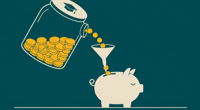
 sparkling |
 oh my salami |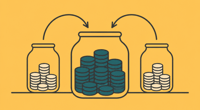
 saffronroute |
 You Only Live Once |
 Weekend Movie Blog |
 Beauty, Health, Lifestyle Blog |
 coloradoman |
 Superman Cat Blog |
 novapixel |
  US Embassy |
  Korean Mom |
  My NYC |
  moo moo |
  Mr Oh |
  forevergee |
  festival |
  manchester |
  constant |
  Leapfrog Move |
  Tora Tora |
  yellowbutter |
  Dolly |
  NYC saladbar |
  Finding Superfoods |
  lightyear |
  song bang |
  vexomo |
  Indiana Jones |