


Supplemental Security Income (SSI) is a program that provides basic living expenses for low-income individuals, disabled persons, and the elderly.
This program allows economically disadvantaged individuals to secure a minimum standard of living, but failing to meet the eligibility requirements and criteria can result in losing benefit eligibility.
To continue receiving SSI benefits, it is important to be aware of and comply with several key conditions regarding income, assets, and more.
1. Maintain Income Standards
- Income is a crucial criterion for maintaining SSI eligibility. Since SSI is a program for low-income individuals, exceeding a certain income level may result in loss of eligibility.
- As of 2023, an individual must have an income of no more than $914 per month, and a couple must have an income of no more than $1,371 per month.
- If income increases, even if receiving Social Security or disability benefits, the SSI payment may be adjusted or stopped.
- Any changes in income must be reported immediately to the Social Security Administration (SSA). Failure to report may be considered fraudulent receipt.
2. Maintain Asset Standards
- To maintain SSI eligibility, assets must not exceed certain limits.
- An individual must have assets of no more than $2,000,
- and a couple must have assets of no more than $3,000.
- Items included in assets are cash, bank balances, homes, cars, etc. However, homes or cars may not be considered assets.
- For example, a necessary vehicle or residence is excluded from assets, but unnecessary assets (e.g., luxury cars, luxury homes) may be counted as assets.
- Exceeding the asset limit may result in losing SSI eligibility, so any increase in assets must be reported immediately.
3. Employment and Reporting Obligations
- If you are working while receiving SSI, you must report your earned income to the Social Security Administration. Some earned income may not count towards the asset limit, but failing to report it accurately may lead to fraudulent receipt.
- If your income increases while working, you must report it, and your SSI payment may be adjusted.
- SSI excludes a portion of earned income and only counts some towards the income calculation for payments. However, violating the reporting obligation may result in loss of eligibility or penalties.
4. Report Changes in Residence
- If your residence changes, your eligibility for SSI may change. This is because the availability and amount of additional state supplements may vary based on your new residence.
- When there is a change of address, you must report the changes to the Social Security Administration (SSA) immediately.
5. Preventing Fraudulent Receipt
- Fraudulent receipt can have serious consequences. Continuing to receive benefits without meeting SSI eligibility requirements can lead to overpayment (recoupment of excess amounts received) and legal penalties.
- If your income or assets increase, you must report it immediately and reassess your eligibility.
- False reporting or deceptive actions (e.g., hiding income, hiding assets) can result in legal penalties.
6. Maintain U.S. Citizenship or Legal Immigration Status
- Non-citizens must have legal immigration status to qualify for SSI. You must either obtain U.S. citizenship or maintain legal permanent residency.
- Even after obtaining permanent residency, you may not qualify for SSI for more than 5 years, and some non-citizens may only receive benefits for a limited 7 years. In this case, the Social Security Administration will send a notification letter as the 7-year limit approaches, providing an explanation of potential loss of eligibility thereafter.
7. Connection with Medicaid
- SSI recipients automatically receive Medicaid coverage, which includes medical expense assistance.
- To maintain medical expense assistance, SSI recipients must continue to meet eligibility criteria. Exceeding the income or asset limits may also result in loss of Medicaid eligibility.
8. Contact for Reapplication and Eligibility Changes
- If your SSI eligibility changes or ends, you can reapply. This applies in cases such as changes in immigration status, obtaining citizenship, or accumulating 40 work credits.
- In such cases, you must contact the Social Security Administration to follow the reapplication process due to eligibility changes.
SSI (Supplemental Security Income) is a program that provides important living expense support for low-income, disabled, and visually impaired individuals.
However, it is crucial to consistently meet the income and asset criteria and to report changes promptly.
This helps prevent fraudulent receipt and maintain eligibility to continue receiving benefits.





 vibranto |
 sparkling |
 oh my salami |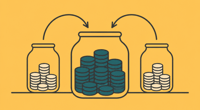
 saffronroute |
 You Only Live Once |
 Weekend Movie Blog |
 Beauty, Health, Lifestyle Blog |
 coloradoman |
 Superman Cat Blog |
 novapixel |
  laro90 |
  MEDBIO American Doctor Blog |
  SWAT TEAM BLK |
  DREAM BIG |
  frostbite |
  330 Forever My Love |
  El Dorado |
  dralix58 |
  Gorama Round |
  Skydiving |
  dreamport |
  Yellow Snowman |
  Toaster Pizza Magic Show |
  velvetnom |
  Anytime Journey |
  Mrs. Duluth |
  jaxter |
  Atlanta Mama |
  Baguette Blog |
  Tan Sol |