

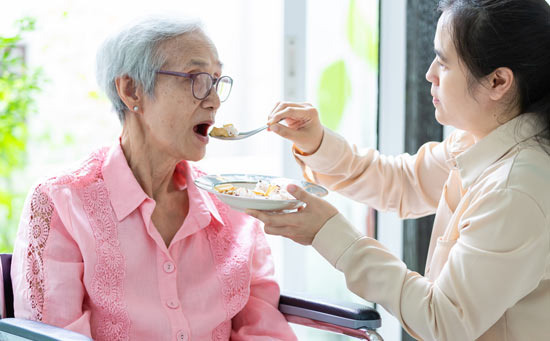
The way families can receive caregiver benefits in the United States is not as complicated as you might think.
However, it's not as simple as saying, "Anyone can just take care of a family member and get paid." It must be through Medicaid and certain caregiver programs operated by some states.
So, it is indeed possible for a daughter in Seattle to care for her 74-year-old mother in the same house while receiving government funds.
First, the prerequisites must be met. The mother must qualify for Medicaid.
There are income and asset criteria, and simply being older is not enough.
She must need assistance with basic daily activities such as eating, moving, bathing, and taking medication. In other words, a medical necessity must be recognized.
The next step is the assessment. In Washington State, the Washington State Department of Social and Health Services evaluates the need for care.
A nurse or care manager will assess her condition and determine how many hours of assistance are needed each day. This time is very important. For example, if four hours a day are approved, it amounts to a significant sum over a month.
Now, the daughter registers as a caregiver. Washington is a state that allows children to care for their parents.
It is also possible to live in the same house. This is an advantage compared to other states. However, there are usually restrictions for spouses.
Caregiver registration is done through the Consumer Direct Care Network Washington.
During this process, background checks, basic training, and employment-related paperwork must be completed. Once all procedures are finished, the daughter becomes an official paid caregiver. After that, she can submit timesheets to receive payment.
The pay rate is around $20 per hour in Seattle. Washington has a high minimum wage, so the conditions are better than in other states. If approved for nearly 40 hours a week, it is possible to earn over $3,000 a month. However, this varies based on the assessment results, and realistically, 20 to 30 hours a week is more common.
There are additional benefits if living together. If certain conditions are met, that income may be excluded from federal income tax. Therefore, the tax burden is reduced compared to the actual amount received. It is important to verify this accurately when setting it up initially.
The entire process can be summarized as follows. Apply for Medicaid, get care hours approved through DSHS assessment, register as a caregiver with CDWA, and then submit timesheets to receive payment.
There are two important points to consider.
The first is how many hours are approved in the assessment. The second is that all processes must be handled within the official system. It is especially important to accurately describe the mother's condition during the assessment process. To get the appropriate hours approved, the specific help needed must be communicated clearly.
There are also points to be cautious about. Avoid cash transactions between family members.
Medicaid has regulations that check the flow of funds for five years, which could cause issues. Payments must be received in the official form through CDWA.
In conclusion, in Seattle, it is already an established system for a daughter to care for her mother at home while receiving payment. If the Medicaid qualifications and assessment are passed correctly in the initial stages, the process continues smoothly afterward.
In contrast, many other states, including Texas, have more restrictive structures. According to Texas Health and Human Services, family caregiving is only possible if the Self-Directed option is chosen, and there are often restrictions on living together or caregiving for a spouse. Pay is also lower, and approval times tend to be conservative, so it's good to understand the system in your state well.







 Karina's Blog |
 Jimbeam 88 |
 Taco Bell Candy Note Blog |
 Splendid Mission |
 Florida Gario |
 moonlight |
 Western US Medical Student Association |
 Bacon King Blog |
 Good Neighborhood, Wealthy District Information |
 coloradoman |
  lumora |
  Valley Bang |
  pravix22 |
  Cohesive Kong |
  werehere |
  problemo |
  galaxy88 |
  breezelove |
  Minnesota Sonata N |
  hazelnut |
  Korean News American Blog |
  AH LALA |
  Savion |
  pintos |
  Good Good |
  oh my salami |
  Lemonade Cider Planning Director |
  Way to easy |