
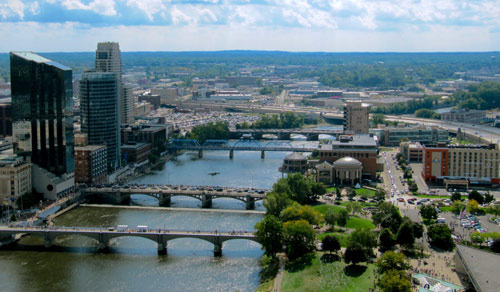
If you've decided to move to Grand Rapids, there are more things to take care of during the initial settlement than you might expect.
Understanding Michigan's unique administrative procedures and the characteristics of the Grand Rapids area in advance can help reduce unnecessary time waste during the initial settling process. Here are the key tasks to handle within the first month after your move, organized step by step.
1. Obtaining a Michigan Driver's License is the top priority. If you hold a driver's license from another state, you must convert it to a Michigan license within 30 days of moving. You can visit a Michigan SOS (Secretary of State) office, and you can make an appointment online (michigan.gov/sos) to avoid waiting. You will need your current state driver's license, Social Security Number (SSN) card, and two documents proving your address (utility bill, lease agreement, etc.). Non-citizens and permanent residents will need additional immigration documents (green card, EAD, etc.). The written test is waived, but a vision test and photo will be taken on-site.
2. Vehicle registration and license plate replacement should also be handled during this time. In Michigan, you must pay a state vehicle sales tax (6%) and an annual registration fee (based on vehicle value) when registering your vehicle. If you bring a vehicle from another state, you need to transfer the registration at a Michigan SOS office and replace it with a Michigan license plate. Michigan has a unique No-Fault auto insurance system, and it is mandatory to have insurance that includes basic PIP (Personal Injury Protection) medical coverage. Michigan auto insurance tends to be slightly higher than the national average, so it's advisable to get quotes from multiple insurers for comparison.
3. Choosing a residential area and checking school districts is important. Popular areas among Korean families in the Grand Rapids metro area include Ada, East Grand Rapids, Forest Hills Township, and Grandville. School districts are automatically assigned based on your address, so if prioritizing your children's education, it's a good idea to refer to the Michigan Department of Education (michigan.gov/mde) for school district performance data when deciding on an address. You can also check individual school ratings on GreatSchools.org.
4. Connecting utilities should also be done early on. The main utilities in the Grand Rapids area include electricity and gas from Consumers Energy or DTE Energy, and internet options like Comcast Xfinity, AT&T Fiber, and Spectrum. Water is provided by the city of Grand Rapids or your township. It's important to contact the service providers before your move to schedule connections for your moving day. New immigrants without credit history may be required to pay a utility security deposit.
5. Opening a bank account and building credit is essential. There are branches of Chase, Fifth Third Bank, Huntington Bank, and Chemical Bank in the Grand Rapids area. If you have an SSN, opening a regular checking or savings account is relatively easy. New immigrants without a U.S. credit history should consider starting to build their credit score through a Secured Credit Card or a Credit Builder Loan. A good credit score will significantly impact future home purchases, vehicle financing, and insurance rates.
6. Connecting with the Korean community as soon as possible is beneficial. Contacting a Korean church in the Grand Rapids area can provide practical information needed for initial settlement (recommendations for schools, doctors, immigration lawyers, etc.). Connecting online through KakaoTalk group chats or Naver cafes is also an option. Exchanging job, startup, and living information through local Korean associations or business networks can greatly assist in your initial adjustment.
Grand Rapids may not be a large city, but with systematic preparation and community connections, you can establish a stable living foundation relatively quickly. Focusing on administrative procedures during the first 1-3 months and then investing energy in connecting with the local community afterward is effective.
 HotSeatDrum
 RooKickbox
 MaskTroll


 Arizona AZ Cowboy |
 Valley Hong |
 Mr Oh |
 ollege Mom |
 Helpful Life Stories |
 apricotla |
 carpflow |
 So is multiplied by So, So Ji-sub |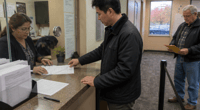
 oneonly |
 icotla |
  Where is a really nice neighborhood? |
  Real Estate |
  Forest Gump |
  Real Estate Investment Korean American |
  Dollydori, Lover of Movies |
  dmzline |
  travelo |
  American Food Information & Calories |
  Splendid Mission |
  sparklingo |
  Watch Walker |
  Soy Angelino |
  autumn |
  K-POP TV News |
  cortiva6 |
  Nevada Teppanyaki |
  aerion99 |
  Golado |
  Maximum Pro |
  Joyce blog |