
Texas is one of the states in the U.S. with a rapidly growing population, leading to an increase in both the number of congressional seats and the Electoral College votes.
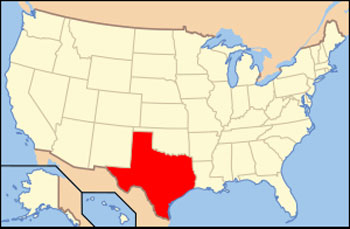
Recent Population Growth and Seat Changes
- In the 2020 Census reapportionment, Texas gained 2 seats compared to the previous count (2010), increasing from 36 to 38 seats.
- As a result, Texas's Electoral College votes increased from 38 to 40 (38 from the House + 2 from the Senate).
- This was one of the largest increases among all states in the U.S., reflecting Texas's steady influx of population.
Factors Contributing to Population Growth
- Economic and Industrial Growth: Various industries such as oil and gas, IT and tech, semiconductors, and healthcare and biotech are expanding, attracting people from other states.
- Tax and Housing Cost Advantages: The absence of state income tax and relatively lower living costs (especially housing prices) compared to California and major cities in the East contribute to a steady influx of immigrants.
- Corporate Relocation Boom: Major companies relocating their headquarters to Texas bring in employees and their families, increasing the population.
Future Electoral College Projections
- Post-2030 Census:
- If Texas's population growth continues, there is a possibility of gaining additional House seats in the 2030 Census.
- Experts predict that 1 to 2 additional seats could be allocated, which would also increase Texas's Electoral College votes.
- Political Impact:
- As the number of Electoral College votes increases, Texas's significance in presidential elections grows, making it crucial for both the Republican and Democratic parties to strategize for Texas.
- Texas has long been a Republican stronghold, but with population growth in urban areas, the political landscape is changing, raising the possibility of it becoming a competitive state in the long term.
Volatility Factors
- Migration Trends: Population movement is sensitive to economic conditions, the housing market, and tax policies.
- Policy Changes: State and federal policies (immigration, taxation, etc.) can impact population growth or decline.
- Economic Conditions Around 2030: Depending on global and national economic trends, corporate relocations may either slow down or accelerate.
Texas's high population growth rate is leading to an increase in House seats and Electoral College votes, enhancing Texas's influence in U.S. presidential elections. Following the 2020 reapportionment, the number of Electoral College votes rose to 40, and if the trend of population influx continues, additional House seats and Electoral College votes may be gained in the early 2030s. This is likely to further elevate Texas's political significance.








 xylora |
 wendra |
 Aura-Infused WACAM |
 Texas Migration Story |
 There Are Such Things in the World |
  DREAM BIG |
  frostbite |
  330 Forever My Love |
  El Dorado |
  dralix58 |
  Gorama Round |
  Skydiving |
  dreamport |
  Yellow Snowman |
  Toaster Pizza Magic Show |
  velvetnom |
  Anytime Journey |
  Mrs. Duluth |
  jaxter |
  Atlanta Mama |
  Baguette Blog |
  Tan Sol |
  US Embassy |
  Korean Mom |
  My NYC |